Author: Chaosy.Vampins

  • How ADHD has been used to Sell Medications to Children

    How ADHD has been used to Sell Medications to Children

    How ADHD has been used to Sell Medications to Children

    Attention Deficit Hyperactivity Disorder (ADHD) has become one of the most controversial diagnoses in contemporary psychiatry. With diagnosis rates soaring over recent decades, there is growing scrutiny over the role of pharmaceutical companies in shaping public perception and treatment approaches for ADHD, particularly regarding the marketing of medications to children. This essay delves into how ADHD has been commercialized, leveraging data from various sources to critically analyze the motivations behind the proliferation of ADHD diagnoses and the rise in medication prescriptions.

    Historical Context and Emergence of ADHD Medications

    The history of ADHD diagnosis and treatment is steeped in controversy and aggressive marketing strategies. During the 1990s, the number of ADHD diagnoses surged, coinciding with the heavy promotion of stimulant medications such as Ritalin and Adderall. By 1993, over two million American children were being prescribed Ritalin, a stark increase from fewer than one million in 1990. This rapid rise in prescriptions was facilitated by studies like the Multimodal Treatment of Attention Deficit Hyperactivity Disorder (M.T.A.) Study, which posited that these medications were effective in managing ADHD symptoms.

    Yet, the motivations behind this rise were not purely scientific. Pharmaceutical companies saw a lucrative opportunity in the growing concern about childhood behavioral issues. They capitalized on the increasing willingness of parents and educators to seek quick fixes for complex developmental challenges. These companies built symbiotic relationships with researchers and clinicians, effectively turning scientific findings into powerful marketing tools. The collaboration between James Swanson, a leading ADHD researcher, and Shire, the manufacturer of Adderall, underscored this dynamic. Swanson’s involvement in advising Shire on creating an extended-release version of Adderall exemplifies how commercial interests often overshadowed scientific integrity.

    Questionable Scientific Foundations

    The scientific foundations of ADHD diagnosis and treatment have often been called into question. Critics highlight that there is no definitive, biological test for ADHD, making the diagnosis highly subjective. James Swanson, once a strong advocate for medication, grew increasingly skeptical as his research revealed troubling long-term outcomes. His early support for stimulant medications based on short-term behavioral improvements gave way to concerns as data showed that these benefits were not sustained. The M.T.A. study, initially celebrated for endorsing Ritalin, later revealed that after 36 months, the advantages of medication had vanished, with all treatment groups exhibiting similar symptom levels. This starkly contrasted with the pharmaceutical narrative that medication provided lasting benefits.

    Moreover, the New York Times article “Have We Been Thinking About A.D.H.D. All Wrong?” emphasizes the inconsistency and lack of robust biomarkers in ADHD research. Martine Hoogman’s work with the Enigma Consortium failed to identify significant brain differences between those diagnosed with ADHD and control subjects. Despite initial claims supporting the biological basis of ADHD, the minor observed differences were almost negligible. Hoogman herself later acknowledged that it was inappropriate to conclude that ADHD is a straightforward brain disorder based on such flimsy evidence.

    The Role of Pharmaceutical Companies

    Pharmaceutical companies have undeniably played a pivotal role in the rise of ADHD diagnoses and the corresponding increase in medication prescriptions. These companies have aggressively marketed their products, often using questionable tactics to expand their consumer base. The development of extended-release formulations and the portrayal of ADHD as a chronic, lifelong condition that necessitates continuous medication have contributed to the widespread acceptance of drug treatments. The marketing strategies employed by these companies have preyed on the fears and anxieties of parents and educators, promising easy solutions to complex behavioral and developmental issues.

    The financial incentives driving these companies cannot be overstated. The ADHD medication market is immensely profitable, with the number of prescriptions skyrocketing. From 2012 to 2022, the number of stimulant prescriptions in the United States increased by 58%. This surge is not confined to children; adults have become a new and rapidly growing market for these medications. In 2012, Americans in their 30s were issued five million prescriptions for ADHD stimulants, a figure that more than tripled to 18 million a decade later.

    Ethical Concerns and Long-Term Implications

    The aggressive promotion of ADHD medications raises significant ethical concerns, particularly regarding the long-term health impacts on children. The documents reveal that prolonged use of stimulant medications is associated with various adverse effects, including stunted growth and increased risk of psychological issues such as psychosis or mania. Swanson and his colleagues discovered that children on long-term stimulant medication were, on average, more than an inch shorter than their non-medicated peers by the time they reached adulthood. This persistent height gap, coupled with the lack of long-term symptom improvement, underscores the potential harms of these medications.

    Furthermore, there is growing skepticism among experts about the overall efficacy of stimulant medications in improving cognitive function and academic performance. Studies by researchers such as F. Xavier Castellanos and Elizabeth Bowman have shown that while these drugs may enhance classroom behavior in the short term, they do not significantly impact learning outcomes or cognitive abilities. This discrepancy points to a fundamental flaw in the current treatment paradigm, which prioritizes behavioral control over holistic, long-term development.

    Societal Impact and Misguided Priorities

    The commercialization of ADHD has broader societal implications. The over-reliance on medication pathologizes normal childhood behaviors, labeling them as disorders that require pharmaceutical intervention. This approach diverts attention from alternative treatments, such as behavioral therapy, environmental modifications, and holistic approaches that consider the child’s overall well-being. The current model not only stigmatizes children but also reinforces a narrow view of mental health that prioritizes immediate symptom control over sustainable development.

    Moreover, the portrayal of ADHD as an unchanging, lifelong condition has contributed to a culture of dependency on medication. The pharmaceutical narrative suggests that without these drugs, children and adults with ADHD cannot succeed. This perspective undermines the potential for non-pharmaceutical interventions and self-regulation strategies that can empower individuals to manage their symptoms effectively.

    Conclusion: A Call for Reevaluation

    In conclusion, the diagnosis and treatment of ADHD have been significantly influenced by commercial interests, leading to an over-reliance on medication as the default solution. The evidence supporting the long-term efficacy and safety of these drugs is weak, and the ethical implications of their widespread use, particularly among children, are troubling. It is imperative to adopt a more balanced and critical approach to ADHD that prioritizes non-pharmaceutical interventions and considers the holistic needs of individuals.

    As more experts begin to reevaluate ADHD, there is an urgent need to challenge the existing paradigm and explore alternative treatments. The current reliance on medication reflects broader societal tendencies to seek quick fixes for complex issues, often at the expense of long-term well-being. By rethinking our approach to ADHD, we can develop more effective and ethical ways to support those affected by this condition, moving beyond the narrow confines of pharmaceutical solutions.

    Read More on Daily Wire and New York Times articles on ADHD.

  • Pseudoscience in modern society: Homeopathy, Chemtrails, HAARP and Climate Control (Part III)

    Pseudoscience in modern society: Homeopathy, Chemtrails, HAARP and Climate Control (Part III)

    Pseudoscientific beliefs persist in modern society despite contradicting established scientific principles and lacking empirical evidence. This essay examines three prominent pseudoscientific theories: homeopathy, chemtrails, and HAARP climate control conspiracies. Each represents a distinct category of pseudoscience—alternative medicine, environmental conspiracy, and technological misconception—yet all share common characteristics including resistance to falsification, selective evidence use, and appeal to alternative authorities. Despite extensive scientific debunking, these theories maintain significant followings, reflecting deeper societal concerns about health autonomy, environmental degradation, and technological advancement. Their persistence highlights the challenges of science communication in an era of information abundance and the complex psychological factors that drive belief in pseudoscientific explanations.

    Homeopathy

    Historical Development and Core Principles

    Homeopathy originated in the late 18th century with Samuel Hahnemann, a German physician dissatisfied with conventional medical practices of his time, which included bloodletting and the use of toxic substances. In 1796, Hahnemann introduced his alternative system based on two fundamental principles: the “law of similars” (similia similibus curentur or “like cures like”) and the “law of infinitesimals.” The former suggests that substances causing symptoms in healthy individuals can cure similar symptoms in sick people. The latter proposes that diluting these substances increases their healing power, particularly when prepared through a process called “succussion”—vigorous shaking between dilutions. Hahnemann’s system gained popularity during the 19th century, particularly in Europe and America, partly due to the ineffectiveness and often harmful nature of conventional medicine at that time. Traditional homeopathic preparations follow a decimal (X) or centesimal (C) dilution scale. For example, a 30C dilution, common in homeopathic remedies, represents 30 stages of diluting one part substance with 99 parts water or alcohol. This process mathematically results in dilutions so extreme that they exceed Avogadro’s number (6.022 × 10^23), meaning that not a single molecule of the original substance likely remains in the final preparation.

    Scientific Assessment and Evidence

    The scientific community has thoroughly evaluated homeopathy through numerous high-quality studies, systematic reviews, and meta-analyses, consistently finding results that contradict homeopathic principles. The extreme dilutions used in homeopathy conflict with fundamental concepts in chemistry and physics. Once dilutions exceed 12C (a 10^24 dilution), the probability of finding even a single molecule of the original substance approaches zero, making any chemical effect physically impossible according to established scientific understanding. Multiple comprehensive reviews have assessed homeopathy’s clinical efficacy. A landmark 2005 meta-analysis published in The Lancet compared 110 homeopathy trials with 110 matched conventional medicine trials, concluding that homeopathy’s clinical effects were compatible with placebo effects. This finding was later reinforced by a 2015 review by Australia’s National Health and Medical Research Council, which assessed evidence from 176 studies and concluded there was no reliable evidence that homeopathy is effective for any health condition. Similarly, a 2017 European Academies Science Advisory Council statement emphasized that homeopathic remedies are scientifically implausible and inconsistent with established scientific concepts. Proponents often cite positive studies, but these typically suffer from methodological flaws including small sample sizes, inadequate randomization, poor blinding procedures, and publication bias. When methodological quality is controlled for, positive effects typically disappear. The scientific consensus remains that any perceived benefits from homeopathy are attributable to placebo effects, expectancy, regression to the mean, and the natural course of illness rather than the remedies themselves.

    Contemporary Popularity and Regulatory Status

    Despite scientific consensus regarding its inefficacy, homeopathy maintains significant global popularity. The worldwide homeopathic market was valued at approximately $8.5 billion in 2024, with projections for continued growth. Several factors contribute to this enduring appeal: homeopathic consultations often involve longer practitioner-patient interactions than conventional medicine, practitioners typically provide individualized attention, and the seemingly “natural” and “gentle” approach appeals to those concerned about pharmaceutical side effects. Regulatory approaches to homeopathy vary internationally. In 2019, the FDA announced enhanced enforcement against homeopathic products making unproven health claims, particularly those marketed for serious conditions. The United Kingdom’s National Health Service stopped funding homeopathic treatments in 2017, citing lack of evidence for efficacy. Conversely, India has embraced homeopathy as part of its national health system, with over 200,000 registered homeopathic practitioners. Germany and France maintain relatively permissive regulatory environments for homeopathic products, though both have seen increasing scientific scrutiny of these practices. The persistence of homeopathy despite scientific evidence raises important questions about health decision-making, patient autonomy, and the responsibilities of healthcare systems and regulatory bodies. It also highlights the gap between scientific consensus and public perception, underscoring challenges in scientific communication and health literacy in contemporary society.

    Chemtrails

    Origins and Evolution of the Conspiracy Theory

    The chemtrail conspiracy theory emerged in the mid-1990s, gaining significant traction with the growing accessibility of the internet. The term “chemtrail” represents a portmanteau of “chemical” and “contrail,” the latter being the visible condensation trails left by aircraft exhaust. The conspiracy theory proposes that some contrails are actually chemical or biological agents deliberately sprayed by aircraft for nefarious purposes, ranging from weather modification to population control. The theory’s origins can be traced to a 1996 Air Force document titled “Weather as a Force Multiplier: Owning the Weather in 2025,” which discussed theoretical weather modification for military purposes. This document, though speculative and not reflecting actual military operations, became a cornerstone reference for early chemtrail theorists. The conspiracy gained wider attention following William Thomas’s 1999 article in the alternative publication Environment News Service, which detailed reported chemtrail sightings and alleged health impacts. By the early 2000s, the theory had evolved to incorporate various claimed purposes for the alleged spraying: population control, weather modification, solar radiation management to combat climate change, psychological manipulation, and even more exotic theories involving mind control or alien technology. The conspiracy theory’s flexibility in accommodating diverse explanations has contributed to its persistence, allowing adherents to shift justifications as necessary while maintaining the core belief that aircraft are deliberately spraying substances into the atmosphere.

    Scientific Explanation of Contrails

    The scientific explanation for the visual phenomena attributed to “chemtrails” is straightforward and well-established in atmospheric physics. Contrails (condensation trails) form when hot, humid air from aircraft exhaust mixes with the colder surrounding air at high altitudes. When conditions are right—typically at altitudes above 26,000 feet where temperatures fall below -40°C—the water vapor in the exhaust rapidly condenses and freezes, forming ice crystals that become visible as line-shaped clouds behind aircraft. Several factors determine contrail formation and persistence. Temperature, humidity, and atmospheric pressure at flight altitude are the primary variables. In dry conditions, contrails dissipate quickly. In humid conditions, they can persist for hours and spread laterally due to wind shear, sometimes forming cirrus-like cloud formations. The appearance of grid patterns in the sky, often cited as evidence of deliberate spraying, simply reflects common commercial flight paths, particularly near airports and along established air corridors. Aircraft exhaust does contain substances beyond water vapor, including carbon dioxide, nitrogen oxides, sulfur compounds, and particulate matter. These are standard byproducts of jet fuel combustion, thoroughly documented in aviation and environmental science. While these emissions raise legitimate environmental concerns regarding aviation’s climate impact, they do not constitute deliberate chemical spraying for population control or weather modification. Numerous scientific organizations have addressed the chemtrail conspiracy, including NASA, the National Oceanic and Atmospheric Administration (NOAA), and the American Meteorological Society, all confirming that observed contrails represent normal aircraft exhaust phenomena rather than evidence of covert spraying operations.

    Psychological and Social Factors Driving Belief

    The chemtrail conspiracy theory persists due to complex psychological and social factors that transcend simple scientific misunderstanding. A 2016 survey published in the journal Nature found that approximately 10% of Americans believed the chemtrail conspiracy was “completely true,” with another 20-30% considering it “somewhat true.” This relatively high prevalence reflects deeper societal dynamics. Confirmation bias plays a significant role, as believers selectively notice and remember contrails that appear unusual while disregarding those that match their expectations of normal contrail behavior. Pattern recognition—an evolutionarily advantageous trait—can lead to false positives when people identify supposed grid patterns or unusual cloud formations. The availability of decontextualized images and videos online provides seemingly convincing “evidence” that, without proper scientific context, appears to support conspiracy claims. The chemtrail theory also thrives on distrust in government, corporations, and scientific institutions. This distrust is not entirely irrational, given historical precedents of government deception (e.g., the Tuskegee experiment, MK-Ultra) and environmental disasters caused by corporate negligence. For many adherents, chemtrail beliefs represent an attempt to make sense of legitimate environmental concerns about pollution, climate change, and corporate influence. Social media has significantly amplified chemtrail beliefs by creating echo chambers where alternative explanations are dismissed and supporting evidence is amplified. Online communities provide social reinforcement for believers, where questioning the conspiracy may be interpreted as naivety or complicity. The theory also allows adherents to claim special knowledge, positioning themselves as more perceptive than the “uninformed masses”—a psychologically rewarding stance that can strengthen belief commitment.

    HAARP and Climate Control

    The Actual Facility and Its Scientific Purpose

    The High-frequency Active Auroral Research Program (HAARP) was established in 1993 near Gakona, Alaska, as a scientific research facility primarily funded by the U.S. Air Force, Navy, and the Defense Advanced Research Projects Agency (DARPA). Following its defunding by the military in 2014, the facility was transferred to the University of Alaska Fairbanks in 2015, which continues to operate it for civilian scientific research. HAARP’s central feature is the Ionospheric Research Instrument (IRI), an array of 180 high-frequency (HF) antennas spreading across 33 acres, capable of transmitting radio waves between 2.8 and 10 MHz into the ionosphere. The actual scientific purpose of HAARP is to study the properties and behavior of the ionosphere, a layer of Earth’s upper atmosphere that extends from approximately 50 to 1,000 kilometers above the surface. The facility works by temporarily exciting small areas of the ionosphere with radio waves, allowing researchers to study atmospheric phenomena, enhance understanding of radio communication, and investigate natural processes in the upper atmosphere. Legitimate scientific research conducted at HAARP includes studying aurora formation, improving satellite communication, investigating radio wave propagation, and examining ionospheric physics. The total power output of HAARP’s transmitter is approximately 3.6 megawatts—significant for a research facility but minuscule compared to the energy involved in weather systems. For context, a single thunderstorm can release energy equivalent to 10 atomic bombs, orders of magnitude beyond HAARP’s capabilities. The facility operates intermittently for specific research campaigns rather than continuously, further limiting any potential environmental impact.

    Evolution of Conspiracy Theories About HAARP

    Conspiracy theories surrounding HAARP began emerging shortly after the facility’s creation and have evolved significantly over time. Early concerns focused on potential environmental impacts, partly fueled by the 1995 book “Angels Don’t Play This HAARP” by Nick Begich and Jeane Manning, which suggested the facility could manipulate weather and trigger earthquakes. The theories gained momentum in the late 1990s and early 2000s with the growth of internet communication. Following major natural disasters, HAARP has frequently been blamed as the cause. After the 2004 Indian Ocean tsunami, the 2010 Haiti earthquake, the 2011 Tōhoku earthquake and tsunami in Japan, and numerous hurricanes, conspiracy theorists have claimed HAARP deliberately caused these events. These accusations typically lack any credible mechanism to explain how the facility could generate such effects. The conspiracy narrative expanded to incorporate claims about weather control, climate manipulation, mind control, and even more exotic theories involving “scalar weapons” or tectonic warfare. Former Venezuelan leader Hugo Chávez publicly accused the United States of using HAARP to trigger the Haiti earthquake, demonstrating how these theories have occasionally reached mainstream political discourse. The conspiracy has been further amplified by certain media outlets that present these claims without adequate scientific context or rebuttal. The conspiracy theories persist despite the facility’s transition to university control and its greater transparency, including regular open houses and public tours. This persistence demonstrates how conspiracy theories can adapt to contrary evidence, with adherents often claiming that the university transfer was merely a cover for continued secret operations.

    Scientific Assessment of Weather Control Claims

    From a scientific perspective, the claims that HAARP could control weather or trigger earthquakes are fundamentally implausible due to basic principles of physics and the scale of energy involved. Weather systems are driven by the sun’s energy interacting with Earth’s atmosphere, oceans, and land masses. The energy involved in even modest weather phenomena vastly exceeds what HAARP can generate. A single hurricane releases energy equivalent to hundreds of thousands of nuclear bombs—many orders of magnitude beyond HAARP’s 3.6 megawatt capacity. For earthquakes, the energy disparity is even more pronounced. Earthquakes result from the sudden release of energy accumulated over long periods through tectonic processes. The energy released in moderate to large earthquakes exceeds HAARP’s capacity by factors of millions to billions. Furthermore, radio waves directed into the ionosphere (50-1,000 km above Earth) have no plausible mechanism to affect tectonic plates (located 5-10 km beneath the surface). Meteorologists and atmospheric scientists have repeatedly explained that weather modification at the scale alleged would require energy inputs and technological capabilities far beyond current human capacity. Limited weather modification technologies do exist, such as cloud seeding to induce precipitation under specific conditions, but these have modest, localized effects and work through well-understood physical principles entirely different from HAARP’s radio wave emissions. The scientific consensus, supported by organizations including the American Meteorological Society and the World Meteorological Organization, is that HAARP cannot control weather, trigger natural disasters, or significantly alter climate patterns. The conspiracy theories fundamentally misrepresent both HAARP’s capabilities and the massive scales of energy involved in geophysical phenomena.

    Psychological Appeal and Cultural Context

    The HAARP conspiracy theory persists partly because it addresses legitimate anxieties about environmental degradation, climate change, and technological overreach. In an era of increasing climate instability and extreme weather events, HAARP offers a tangible, human-controlled explanation for seemingly chaotic natural phenomena. This attribution provides a sense of order and comprehensibility that can be psychologically preferable to acknowledging the random or complex nature of disasters. The theory also reflects broader cultural concerns about military secrecy and technological advancement. HAARP’s initial military funding, remote location, and technical complexity made it an ideal canvas for projecting fears about secret government programs. The conspiracy finds particular resonance among those already distrustful of government, military research, and scientific institutions. Media portrayal has contributed significantly to HAARP conspiracy theories. Films, television shows, and online content often depict weather control technology as feasible, blurring the line between science fiction and reality in public perception. Social media algorithms that prioritize engaging content regardless of accuracy have amplified these theories, creating self-reinforcing information bubbles where counter-evidence is rarely encountered. The HAARP conspiracy also serves political functions in international contexts. By attributing natural disasters to American technology, political actors in countries like Russia, Iran, and Venezuela have redirected domestic criticism and cast the United States as a malevolent global power. This geopolitical dimension highlights how pseudoscientific beliefs can be weaponized for political purposes beyond their origins in misunderstanding or mistrust.

    Comparative Analysis

    Common Psychological and Social Patterns

    These three pseudoscientific beliefs—homeopathy, chemtrails, and HAARP weather control—while diverse in content, share several underlying psychological and social mechanisms. All demonstrate the appeal of hidden agency, where complex phenomena are attributed to deliberate human action rather than impersonal natural processes. This tendency toward agency detection, evolutionarily advantageous for identifying potential threats, leads to false positives in modern contexts where complexity often has systemic rather than agential causes. Each theory exhibits resistance to falsification, a hallmark of pseudoscience identified by philosopher Karl Popper. Believers tend to incorporate contradictory evidence into their belief system rather than modifying core beliefs. For instance, homeopathy proponents may cite quantum effects or water memory to explain mechanisms that defy established chemistry, chemtrail believers interpret scientific debunking as evidence of conspiracy, and HAARP theorists view the facility’s transparency initiatives as disguising deeper secrets. All three beliefs demonstrate the Dunning-Kruger effect, where individuals with limited knowledge in specialized fields overestimate their understanding. This cognitive bias enables non-experts to confidently reject scientific consensus based on perceived flaws that experts have thoroughly addressed. The theories also exploit confirmation bias, where adherents selectively notice and remember information that confirms existing beliefs while discounting contradictory evidence. These pseudoscientific beliefs often provide existential benefits by offering simplification of complexity, a sense of special knowledge, and the comfort of explanatory narratives in uncertain situations. The communities surrounding these beliefs provide social belonging and identity reinforcement that can make belief abandonment psychologically costly, even when faced with contradictory evidence.

    Role of Media and Information Ecosystems

    The internet and social media have transformed how pseudoscientific beliefs propagate and persist. Pre-internet, fringe beliefs faced significant distribution barriers that limited their spread. Today, digital platforms enable rapid dissemination of pseudoscientific claims while algorithms often prioritize engaging content over accuracy, creating filter bubbles that reinforce existing beliefs and limit exposure to contrary evidence. Each of these pseudoscientific theories has benefited from this digital ecosystem in distinct ways. Homeopathy advocates utilize wellness influencers and alternative health websites to promote testimonials while downplaying scientific studies showing inefficacy. Chemtrail believers share decontextualized images and videos as “evidence,” creating visually compelling but scientifically misleading content. HAARP conspiracy theorists connect disparate events (natural disasters, unusual weather patterns) into coherent narratives that appear plausible when presented selectively. Traditional media has contributed to pseudoscience proliferation through “false balance” reporting that presents scientific consensus and fringe beliefs as equally valid viewpoints. This journalistic approach, while attempting fairness, creates a misleading impression of scientific disagreement where little actually exists among experts. Sensationalist coverage of HAARP as a “mysterious” facility, uncritical reporting on “detox” products related to chemtrail beliefs, and human interest stories about homeopathic “success cases” all inadvertently legitimize pseudoscientific frameworks. The commercialization of pseudoscience represents another common thread. Homeopathy constitutes a multi-billion-dollar industry selling remedies scientifically indistinguishable from placebo. The chemtrail conspiracy has spawned markets for “detoxification” products claiming to remove aerial toxins from the body. HAARP conspiracies contribute to markets for electromagnetic “protection” devices and alternative energy concepts. These commercial interests provide financial incentives to maintain and promote pseudoscientific narratives despite contradictory evidence.

    Impact on Public Policy and Scientific Literacy

    These pseudoscientific beliefs have tangible impacts on public policy, health outcomes, and scientific literacy. Homeopathy’s inclusion in some national healthcare systems diverts resources from evidence-based treatments while potentially delaying effective care for serious conditions. Public funding for homeopathic hospitals or services represents opportunity costs that could otherwise support proven interventions. Chemtrail beliefs have led to numerous official governmental responses, requiring agencies like the EPA, FAA, and NASA to allocate resources addressing public inquiries and concerns based on fundamentally flawed premises. These responses divert attention and resources from legitimate environmental concerns. Similarly, HAARP conspiracy theories have necessitated defensive postures from scientific organizations, disrupting research agendas and communication efforts. All three pseudoscientific theories contribute to science denialism more broadly, undermining public trust in scientific institutions and methodologies. This erosion of trust has implications beyond these specific theories, potentially affecting public response to evidence-based policies addressing critical issues like climate change, vaccination, and public health measures during epidemics. However, these theories also create opportunities for enhancing scientific literacy. Educational responses to pseudoscience can improve critical thinking skills, media literacy, and understanding of scientific methodology among the general public. By examining why people find these theories compelling and addressing underlying concerns, science communicators can potentially bridge gaps between expert consensus and public perception.

    Conclusion

    Homeopathy, chemtrails, and HAARP weather control theories represent distinct manifestations of pseudoscience that persist despite contradicting fundamental scientific principles and lacking empirical support. Their endurance illustrates how psychological needs, social dynamics, and information ecosystems can sustain beliefs that diverge from scientific consensus. These theories reflect broader societal tensions regarding authority, technology, health autonomy, and environmental concerns. Addressing these pseudoscientific beliefs requires multifaceted approaches that go beyond simply providing corrective information. Effective science communication must acknowledge the legitimate concerns that drive pseudoscientific thinking while providing accessible explanations of scientific concepts and methodologies. Educational initiatives promoting critical thinking, media literacy, and understanding of the scientific process can help individuals evaluate claims more effectively. The persistence of these theories highlights a fundamental challenge in contemporary society: reconciling specialized scientific knowledge with democratic ideals of individual autonomy and decision-making. This tension will likely continue as technological advancement accelerates and information systems evolve. By understanding the appeal and mechanisms of pseudoscience, we can develop more effective approaches to promoting evidence-based decision-making while respecting the underlying human needs that pseudoscientific beliefs often address. In an age of information abundance, the ability to distinguish science from pseudoscience represents a crucial skill for navigating complex societal challenges. These three case studies demonstrate that scientific literacy involves not only understanding scientific facts but also recognizing the psychological, social, and systemic factors that influence how we perceive and interpret those facts in our daily lives.

  • Pseudoscience in modern society: Ancient Astronaut Theory, Electromagnetic fields Hypersensitivity, Detoxification Pseudoscience, and Moon Landing Denial (Part II)

    Pseudoscience in modern society: Ancient Astronaut Theory, Electromagnetic fields Hypersensitivity, Detoxification Pseudoscience, and Moon Landing Denial (Part II)

    Pseudoscientific beliefs persist in contemporary society despite a lack of empirical evidence and scientific validation, often flourishing where scientific literacy is limited and uncertainty prevails. This essay examines four prevalent pseudoscientific theories: Ancient Astronaut Theory, Electromagnetic Fields Hypersensitivity, Detoxification Pseudoscience, and Moon Landing Denial. Each represents a distinct manifestation of how scientific concepts can be misinterpreted, misapplied, or rejected entirely, leading to alternative explanations that fall outside the boundaries of established scientific knowledge. These theories share common characteristics, including resistance to falsification, appeals to conspiracy, and selective use of evidence, while addressing deep-seated human desires for special knowledge, control over health, and explanations for complex historical achievements [jstor.org] [history.com] [pmc.ncbi.nlm.nih.gov].

    Ancient Astronaut Theory

    Origins and Development

    The Ancient Astronaut Theory posits that extraterrestrial beings visited Earth in prehistoric times and influenced human civilizations through technological and cultural interventions. This theory gained mainstream popularity in the 1960s and 1970s, particularly through Erich von Däniken’s book “Chariots of the Gods?” published in 1968 [rationalwiki.org]. However, the concept has earlier roots in 19th-century literature and speculation about lost civilizations [rationalwiki.org]. The theory emerged during the Space Race era, reflecting societal fascination with space exploration and the possibility of extraterrestrial life [barryvacker.medium.com]. Proponents suggest that ancient structures like the pyramids of Egypt, Stonehenge, and the Nazca Lines required technology beyond the capabilities of ancient civilizations, implying alien assistance [rationalwiki.org] [digitalcommons.csumb.edu].

    Cultural and Racial Implications

    Critics argue that the Ancient Astronaut Theory exhibits problematic cultural and racial undertones. By attributing remarkable ancient achievements to extraterrestrial intervention rather than human ingenuity, the theory has been criticized for diminishing the accomplishments of non-Western civilizations [rationalwiki.org]. This perspective has been characterized as a form of chronological snobbery and, in some cases, exhibits racist notions by implying that certain cultures, particularly those outside Europe, were incapable of significant architectural and technological feats without external assistance [rationalwiki.org]. Scholars argue that this theory perpetuates a colonial mindset that undermines the intellectual and cultural achievements of ancient peoples [phys.org] [news.asu.edu].

    Scientific Assessment and Popular Culture

    The scientific community largely dismisses the Ancient Astronaut Theory as pseudoscience. Archaeologists and historians point out that the theory lacks credible evidence and relies on misinterpretations of ancient artifacts and texts [christiancentury.org]. Studies have demonstrated that ancient architectural achievements can be explained through human ingenuity, cultural evolution, and well-documented construction techniques without invoking extraterrestrial intervention [phys.org]. Despite scientific rejection, the theory maintains a strong presence in popular culture, notably through the television series “Ancient Aliens,” which has garnered a cult following while facing significant criticism from the academic community [rationalwiki.org]. The persistence of this theory reflects broader societal themes of curiosity about humanity’s origins and our place in the universe, as well as skepticism toward established historical narratives [barryvacker.medium.com] [researchgate.net].

    Electromagnetic Fields Hypersensitivity

    Definition and Claimed Symptoms

    Electromagnetic hypersensitivity (EHS), also known as idiopathic environmental intolerance attributed to electromagnetic fields (IEI-EMF), refers to a claimed sensitivity to electromagnetic fields from sources such as mobile phones, Wi-Fi routers, and power lines [nytimes.com]. Individuals who self-identify as having EHS report a variety of non-specific symptoms, including headaches, fatigue, sleep disturbances, skin prickling, burning sensations, rashes, and musculoskeletal pain when exposed to electromagnetic fields [en.wikipedia.org]. The World Health Organization (WHO) has acknowledged these symptoms as real and potentially disabling but has not recognized EHS as a medical diagnosis due to the lack of scientific evidence linking the symptoms to electromagnetic field exposure [who.int].

    Scientific Evidence and Research Findings

    The scientific community has extensively investigated the claims associated with EHS through numerous controlled studies. Provocation trials, which test whether individuals can detect the presence of electromagnetic fields under blinded conditions, have consistently shown that self-diagnosed EHS individuals cannot reliably distinguish between real and sham electromagnetic field exposure [researchgate.net]. A systematic review of 31 provocation studies involving 725 participants found that 24 studies showed no evidence supporting the existence of biophysical hypersensitivity to electromagnetic fields [researchgate.net]. Double-blind studies have demonstrated that symptoms reported by EHS sufferers do not correlate with actual electromagnetic field exposure, suggesting that other factors, including the nocebo effect (where negative expectations lead to negative outcomes), may play a significant role [frontiersin.org].

    Psychological Factors and Social Impact

    Research suggests that psychological mechanisms may contribute significantly to the experience of EHS. Studies have shown that individuals who report EHS symptoms often exhibit increased levels of anxiety, depression, and somatization tendency compared to control groups [researchgate.net]. The cognitive hypothesis proposes that EHS symptoms arise from false beliefs about electromagnetic field harmfulness, leading to nocebo responses, while the attributive hypothesis suggests that EHS serves as a coping strategy for pre-existing health conditions [pmc.ncbi.nlm.nih.gov]. Despite the lack of scientific validation, EHS can have profound social and personal consequences for affected individuals. Many report significant impairment in their quality of life, with some going to extreme lengths to avoid perceived electromagnetic field exposure, potentially leading to isolation, loss of employment, and financial difficulties [frontiersin.org]. This highlights the need for compassionate approaches to supporting individuals with EHS, even while acknowledging the scientific consensus regarding its causes [frontiersin.org].

    Detoxification Pseudoscience

    Common Claims and Practices

    Detoxification pseudoscience encompasses various products, diets, and procedures claiming to eliminate undefined “toxins” from the body, thereby promoting health and well-being [health.harvard.edu]. Common detoxification practices include juice cleanses, detox diets (like the Master Cleanse), colon cleansing, foot detox methods, and various supplements marketed as detoxifying agents [health.harvard.edu]. Proponents claim these practices can lead to weight loss, increased energy, improved digestion, reduced inflammation, and prevention of various diseases [livescience.com]. The detoxification industry has grown substantially, with products marketed particularly during post-holiday periods when consumers may feel guilty about overindulgence and seek quick health fixes [health.harvard.edu].

    Scientific Assessment and Health Risks

    The scientific community overwhelmingly criticizes detoxification claims as lacking substantive evidence. The body naturally detoxifies itself through the liver, kidneys, skin, and immune system, which effectively manage toxin elimination without requiring external interventions [health.harvard.edu]. A 2015 review concluded that there was no compelling research supporting the use of detox diets for weight management or toxin elimination [nccih.nih.gov]. Similarly, studies have failed to demonstrate that colon cleansing provides any health benefits beyond what the body’s natural processes already accomplish [nccih.nih.gov]. Many detoxification practices pose potential health risks. Juice cleanses and restrictive detox diets can lead to nutrient deficiencies, electrolyte imbalances, and metabolic disturbances [livescience.com]. Colon cleansing procedures have been associated with serious side effects, including dehydration, electrolyte abnormalities, and in rare cases, bowel perforation [nccih.nih.gov]. The U.S. Food and Drug Administration (FDA) and Federal Trade Commission (FTC) have taken action against several companies selling detox products due to hidden ingredients, significant health risks, or unsubstantiated health claims [nccih.nih.gov].

    Psychological and Social Factors

    The popularity of detoxification pseudoscience can be attributed to various psychological and social factors. The concept appeals to a desire for purification and control over one’s health, particularly in an environment perceived as increasingly toxic [theguardian.com]. The nocebo effect plays a role, as individuals may attribute normal bodily sensations to toxin accumulation after being exposed to marketing claims about environmental toxins [theguardian.com]. Media coverage often gives undue credibility to detoxification claims, with less than 10% of articles about detoxification providing corrective information debunking the detox myth [utppublishing.com]. The language used in detoxification marketing frequently employs pseudoscientific jargon that sounds scientific but lacks substantive meaning, creating ambiguity that makes claims difficult to disprove and confusing for consumers [utppublishing.com]. This highlights the importance of critical evaluation of health claims and the need for improved scientific literacy among the general public [doctorsexplain.net].

    Moon Landing Denial

    Origins and Core Claims

    Moon landing denial, also known as the Moon hoax theory, asserts that some or all elements of the Apollo program and the associated Moon landings were staged by NASA with the aid of other organizations [en.wikipedia.org]. The most notable claim is that the six crewed landings between 1969 and 1972 were faked and that the twelve Apollo astronauts did not actually land on the Moon [en.wikipedia.org]. This conspiracy theory gained traction in the mid-1970s, particularly following the publication of Bill Kaysing’s book “We Never Went to the Moon: America’s Thirty Billion Dollar Swindle” in 1976 [en.wikipedia.org]. Kaysing claimed that the probability of a successful manned Moon landing was calculated to be merely 0.0017%, making it more feasible for NASA to fake the landings [en.wikipedia.org]. The theory suggests that the landings were staged to ensure NASA funding, win the Space Race against the Soviet Union, and distract from the Vietnam War [en.wikipedia.org] [history.com].

    Scientific Refutation and Evidence

    The scientific community has thoroughly debunked Moon landing denial through extensive evidence and logical reasoning. High-definition photographs taken by the Lunar Reconnaissance Orbiter have captured the lunar module descent stages and tracks left by astronauts on the Moon’s surface, providing direct evidence of the landings [en.wikipedia.org]. Additionally, retroreflectors placed on the Moon by Apollo astronauts continue to be used for laser ranging experiments, allowing precise measurement of the Earth-Moon distance [en.wikipedia.org]. The Apollo missions brought back 380 kg of Moon rocks with unique geochemical traits that distinguish them from Earth rocks and could not have been manufactured [en.wikipedia.org]. Conspiracy theorists often point to apparent anomalies in lunar photographs, such as the absence of stars, seemingly waving flags, and inconsistent shadows [rmg.co.uk]. Scientists have explained these observations through basic principles of photography and physics: stars are not visible due to camera exposure settings optimized for the bright lunar surface; the flag appears to wave due to its design with a horizontal rod and inertia from being handled; and shadow variations result from the uneven lunar terrain and perspective effects [rmg.co.uk] [bbc.co.uk].

    Psychological and Social Factors

    The persistence of Moon landing denial despite overwhelming contrary evidence reveals important psychological and sociological phenomena. The conspiracy theory often appeals to individuals with a general distrust in government and authority, which was particularly prevalent in the post-Vietnam War and Watergate era when these theories first gained popularity [skyatnightmagazine.com]. Studies indicate that belief in the Moon landing hoax correlates with belief in other conspiracy theories, suggesting a broader pattern of conspiratorial thinking rather than an evidence-based position [scientificamerican.com]. Polls conducted between 1994 and 2009 found that between 6% and 20% of Americans, 25% of Britons, and 28% of Russians surveyed believed that the Moon landings were faked, with higher rates often found among younger demographics who did not witness the original landings [en.wikipedia.org] [sciencebusiness.net]. The continued prominence of Moon landing denial, particularly on social media platforms like TikTok where conspiracy videos receive millions of views, highlights the challenges of scientific communication in the digital age and the need for improved critical thinking skills [bbc.co.uk]. The theory has been reinforced through popular media, including a widely viewed 2001 Fox television special titled “Conspiracy Theory: Did We Land on the Moon?” which presented selective evidence while omitting scientific explanations [scientificamerican.com].

    Comparative Analysis of the Four Theories

    Common Patterns and Mechanisms

    These four pseudoscientific theories share several common characteristics and psychological mechanisms. All exhibit resistance to falsification, with adherents often dismissing contradictory evidence as part of broader conspiracies [scientificamerican.com] [en.wikipedia.org]. They typically employ selective use of evidence, focusing on anomalies or unexplained phenomena while ignoring the broader context and established explanations [rmg.co.uk] [news.asu.edu]. Additionally, they appeal to alternative authorities, often individuals without relevant scientific expertise but who present themselves as unbiased truth-seekers challenging the establishment [news.asu.edu] [researchgate.net]. Each theory also demonstrates a form of misappropriation of scientific concepts and terminology, using scientific-sounding language to create a veneer of legitimacy [utppublishing.com] [theguardian.com].

    Societal Impact and Public Understanding of Science

    These pseudoscientific theories have significant implications for society and public understanding of science. They can undermine trust in scientific institutions and methodologies, potentially leading to harmful decisions regarding health, technology adoption, and public policy [frontiersin.org] [livescience.com]. The Ancient Astronaut Theory can diminish cultural heritage and historical understanding by attributing human achievements to external forces [phys.org]. Electromagnetic Hypersensitivity claims may lead individuals to unnecessary lifestyle restrictions and anxiety [frontiersin.org]. Detoxification pseudoscience can result in financial waste, potential health risks from extreme practices, and distraction from evidence-based health interventions [nccih.nih.gov]. Moon Landing Denial represents a rejection of one of humanity’s greatest scientific and engineering achievements, potentially encouraging broader skepticism toward scientific consensus [scientificamerican.com]. The persistence of these theories highlights gaps in scientific literacy and critical thinking skills in the general population, emphasizing the need for improved science education and communication [en.wikipedia.org] [utppublishing.com].

    Media Influence and Digital Amplification

    Media platforms play a crucial role in the propagation and persistence of these pseudoscientific theories. Television programs like “Ancient Aliens” have popularized the Ancient Astronaut Theory through entertainment presented with a veneer of documentary legitimacy [rationalwiki.org]. Social media platforms have enabled the rapid spread of anti-EMF claims and detoxification marketing, often without adequate fact-checking or context [nytimes.com] [online.ucpress.edu]. The internet has amplified Moon landing conspiracy theories, allowing for wider dissemination of misleading information and the formation of echo chambers where alternative views are reinforced [bbc.co.uk] [scientificamerican.com]. Sensationalist media coverage often favors controversy over scientific consensus, giving disproportionate attention to minority views and creating the impression of scientific debate where little actually exists among experts [utppublishing.com] [pmc.ncbi.nlm.nih.gov]. This highlights the responsibility of media platforms in promoting scientific literacy and the challenges of communicating scientific consensus in an information landscape that often rewards engagement over accuracy [pmc.ncbi.nlm.nih.gov].

    Conclusion

    The four pseudoscientific theories examined—Ancient Astronaut Theory, Electromagnetic Fields Hypersensitivity, Detoxification Pseudoscience, and Moon Landing Denial—reveal how scientific misunderstandings persist and proliferate in contemporary society. While they differ in their specific claims and historical contexts, they share common patterns of flawed reasoning, selective evidence use, and resistance to falsification. Their persistence underscores the challenges of promoting scientific literacy in an era of information abundance and highlights the complex psychological, social, and cultural factors that contribute to the appeal of pseudoscientific explanations. Addressing these theories requires not only correcting misinformation but also understanding the underlying needs they fulfill—whether for meaning, control, or explanation of complex phenomena. By fostering critical thinking skills, improving science communication, and acknowledging the genuine concerns that drive people toward pseudoscientific beliefs, society can work toward a more scientifically informed public discourse while respecting the human search for understanding in an increasingly complex world.

  • Pseudoscience in modern society: COVID-19 Vaccine Misinformation, Astrology, Quantum Consciousness, and Anti-5G conspiracy (Part I)

    Pseudoscience in modern society: COVID-19 Vaccine Misinformation, Astrology, Quantum Consciousness, and Anti-5G conspiracy (Part I)

    In contemporary society, pseudoscientific beliefs continue to gain traction despite lacking empirical support, often flourishing during periods of uncertainty and societal change. This essay examines four prominent pseudoscientific theories: COVID-19 vaccine misinformation, astrology, quantum consciousness, and anti-5G conspiracy theories. Each represents a distinct facet of how scientific misunderstandings can manifest and spread, particularly through social media and other digital platforms. These theories persist despite contradicting established scientific principles and rigorous research, reflecting deeper societal needs for control, understanding, and meaning in complex situations [link.springer.com] [hindustantimes.com].

    COVID-19 Vaccine Misinformation

    Origins and Propagation

    The COVID-19 pandemic created fertile ground for vaccine misinformation, with claims ranging from vaccines containing microchips for tracking to altering human DNA. These narratives emerged early in the pandemic and gained significant traction through social media platforms. A 2021 survey revealed that approximately 5% of US adults believed the government was using COVID-19 vaccines to implant microchips, with many associating these microchips with 5G technology [en.wikipedia.org]. This misinformation was often spread by a small number of influential individuals—dubbed the “disinformation dozen”—who were responsible for up to 65% of anti-vaccine content on platforms like Facebook [theguardian.com].

    Impact on Public Health

    The spread of COVID-19 vaccine misinformation has had measurable negative consequences for public health efforts. Research indicates that exposure to misinformation about vaccines has led to a significant decline in vaccination intent, with studies showing a 6.2 percentage point drop in the UK and a 6.4 percentage point drop in the US among respondents exposed to such content [nature.com]. This hesitancy has hindered efforts to achieve herd immunity and control the pandemic, resulting in preventable hospitalizations and deaths [arxiv.org]. Furthermore, the intersection of vaccine misinformation with other conspiracy theories, such as those linking vaccines to 5G technology, has created a complex web of false narratives that undermine trust in public health institutions [elsevier.es].

    Countering Vaccine Misinformation

    Addressing vaccine misinformation requires multifaceted approaches. Educational campaigns that enhance scientific literacy and critical thinking skills have shown promise in reducing susceptibility to misinformation [researchgate.net]. Public health organizations, including the World Health Organization, have implemented strategies to combat misinformation, such as collaborating with tech companies to promote evidence-based information and creating tools to amplify trustworthy health messages [gh.bmj.com]. These efforts emphasize the importance of transparent communication and building trust in health institutions to counteract the spread of vaccine misinformation.

    Astrology

    Historical Context and Cultural Significance

    Astrology has ancient roots dating back to Babylonian, Egyptian, and Greek civilizations, where it was intertwined with early astronomy and used to predict agricultural cycles and political events [sciencedirect.com]. Over centuries, astrology evolved into various forms across different cultures, including Western horoscopic astrology, Chinese zodiac systems, and Indian Jyotisha [linkedin.com]. Despite its separation from astronomy during the scientific revolution, astrology has maintained cultural significance and continues to influence art, literature, and personal decision-making across societies [journals.sagepub.com].

    Scientific Critiques and Pseudoscientific Classification

    Astrology is widely considered pseudoscientific by the scientific community due to its lack of empirical evidence and failure to adhere to scientific methodologies. Karl Popper frequently used astrology as an example of pseudoscience, noting its inability to respond to falsification through experiment [en.wikipedia.org]. Studies testing astrological claims have consistently found no correlation between celestial positions and human personality traits or life events. The most famous test was conducted by Shawn Carlson and included both scientists and astrologers, concluding that natal astrology performed no better than chance [en.wikipedia.org]. Moreover, critics argue that astrology relies on vague predictions that can apply to almost anyone (the Barnum effect) and often employs fallacious logic in its reasoning [en.wikipedia.org].

    Contemporary Popularity and Psychological Appeal

    Despite its scientific rejection, astrology has experienced a resurgence in popularity, particularly among younger generations. The astrology industry’s value is projected to grow from $12.8 billion in 2021 to an estimated $22.8 billion by 2031 [medium.com]. This revival is largely facilitated by digital platforms and social media, where astrology content is widely shared and discussed [economist.com]. The psychological appeal of astrology lies in its ability to provide comfort, guidance, and a sense of control during uncertain times. Many individuals turn to astrology for self-reflection and understanding, finding value in its symbolic framework despite its lack of scientific validity [timesofindia.indiatimes.com] [cambridge.org]. This phenomenon reflects a broader human desire for meaning and narrative in an increasingly complex world.

    Quantum Consciousness

    Theoretical Foundations and Claims

    Quantum consciousness represents a set of theories suggesting that quantum mechanical phenomena play a critical role in human consciousness. Proponents, including physicists like Roger Penrose and anaesthesiologist Stuart Hameroff, developed the Orchestrated Objective Reduction (Orch OR) theory, which posits that consciousness arises from quantum processes in microtubules within neurons [en.wikipedia.org]. This theory attempts to address fundamental questions about the nature of consciousness and its relationship to physical reality. The Quantum Theory of Consciousness (QTOC) further proposes that consciousness is fundamentally a quantum phenomenon that can address the mind-body problem and provide a physical foundation for understanding consciousness [researchgate.net].

    Scientific Criticisms and Empirical Challenges

    Despite its intellectual appeal, quantum consciousness faces significant scientific criticism. Many physicists and neuroscientists argue that quantum effects are negligible in the brain, which operates at temperatures and scales where quantum coherence would be quickly lost through decoherence [en.wikipedia.org] [nature.com]. Critics also point out that these theories misapply quantum mechanical principles, which primarily govern subatomic particles, to complex biological processes [link.aps.org]. The interpretational underdetermination of quantum mechanics further complicates these theories, as quantum phenomena can be explained through various interpretations without invoking consciousness [link.springer.com].

    Recent Research and Cultural Impact

    Despite criticisms, some recent studies have provided intriguing evidence that may support aspects of quantum consciousness theories. Research by Wellesley College professor Mike Wiest demonstrated that drugs affecting microtubules within neurons delayed the onset of unconsciousness caused by anesthetic gases, potentially supporting the quantum model over traditional classical physics theories [scitechdaily.com]. This finding suggests that anesthesia works by binding to microtubules inside neurons, which aligns with some predictions of quantum consciousness theories. The cultural impact of quantum consciousness extends beyond scientific circles, influencing popular media and spiritual beliefs. Works like “The Tao of Physics” by Fritjof Capra and “Quantum Healing” by Deepak Chopra have popularized quantum mysticism, blending quantum physics with spirituality, though these interpretations are often criticized as pseudoscientific by physicists [aaas.org] [en.wikipedia.org].

    Anti-5G Conspiracy Theories

    Development and Proliferation

    Anti-5G conspiracy theories emerged well before the COVID-19 pandemic but gained significant momentum as the virus spread globally. These theories range from claims that 5G technology causes cancer and weakens the immune system to assertions that it directly spreads or exacerbates COVID-19 [en.wikipedia.org]. The first mention linking 5G to COVID-19 appeared on January 21, 2020, suggesting that 5G radiation weakened the immune system, making individuals more susceptible to the virus [link.springer.com]. This misinformation proliferated rapidly through social media platforms, with studies showing that 34% of Twitter users believed in a link between 5G and COVID-19, while 32% rejected it [en.wikipedia.org]. The spread was fueled by influential accounts, including celebrities and public figures, who amplified these false narratives [bbc.com].

    Real-World Consequences and Scientific Refutation

    The impact of anti-5G conspiracy theories has been substantial, leading to real-world violence and infrastructure damage. In the UK, over 30 acts of arson and vandalism against wireless towers and telecom equipment were reported in April 2020 alone [nytimes.com]. Similar incidents occurred across Europe, with videos falsely linking 5G to COVID-19 sparking violence against telecommunications equipment in countries like Bolivia [bbc.com]. These actions have hindered the rollout of 5G technology and created significant economic costs. Scientific evidence strongly refutes the claims made by anti-5G conspiracy theorists. Studies indicate that 5G radio frequency radiation, when operating within the guidelines set by regulatory bodies like the International Commission on Non-Ionizing Radiation Protection (ICNIRP), poses no health risks [en.wikipedia.org]. 5G technology uses non-ionizing radiation, which does not damage DNA or cause cancer, unlike ionizing radiation such as X-rays [cnn.com]. Furthermore, there is no scientific evidence supporting claims that 5G affects immune response or is responsible for COVID-19, which is caused by a virus and spreads in areas without 5G infrastructure [cnn.com].

    Factors Driving Public Mistrust and Addressing Misinformation

    Several factors contribute to the persistence of anti-5G conspiracy theories. The rapid deployment of 5G without comprehensive long-term studies has raised public anxiety, while a perceived lack of transparency from health institutions and governments has fueled skepticism [tandfonline.com]. Historical distrust in governmental and health organizations, exacerbated by past instances where these institutions have been perceived as not acting in the public’s best interest, has made the public more susceptible to believing alternative narratives [researchgate.net]. Combating 5G misinformation requires multifaceted approaches. Educational campaigns that enhance scientific literacy and critical thinking skills are essential, as is transparent communication from health authorities regarding the safety and benefits of 5G technology [tecknexus.com]. Collaborations between health organizations and social media platforms to identify and remove harmful content have shown promise [gh.bmj.com]. The World Health Organization and other health agencies have created materials to counter misinformation and implemented strategies to promote accurate information [en.wikipedia.org].

    Conclusion

    These four pseudoscientific theories—COVID-19 vaccine misinformation, astrology, quantum consciousness, and anti-5G conspiracy theories—reveal how misinformation and pseudoscientific beliefs persist despite contradicting established scientific evidence. Their prevalence underscores the importance of scientific literacy, critical thinking, and effective communication strategies in combating false narratives. While each theory differs in its historical context and specific claims, all reflect deeper human needs for control, understanding, and meaning in complex situations. Addressing these pseudoscientific beliefs requires not only countering misinformation with accurate data but also understanding the psychological and social factors that drive their acceptance and spread. By fostering critical thinking and promoting transparent, accessible scientific communication, society can work toward building greater trust in established scientific principles and institutions.

  • Natural forces behind Earth’s climate change: A critical examination

    Natural forces behind Earth’s climate change: A critical examination

     
    Climate change is a complex phenomenon shaped by numerous natural forces that have been at work long before human civilization emerged. Earth’s climate has undergone dramatic fluctuations throughout its geological history, driven by powerful natural mechanisms including solar activity, volcanic eruptions, planetary orbital variations, oceanic circulation patterns, and cosmic ray influences [ces.fau.edu] [bbc.co.uk]. While many contemporary discussions focus on human contributions to climate change, this essay examines the compelling evidence that Earth’s current climate variations are predominantly the result of these natural climate drivers rather than anthropogenic influences.

    Earth’s Historical Climate Variability

    Natural Climate Cycles Throughout Earth’s History

    Earth’s climate has fluctuated dramatically over geological timescales, experiencing both warming and cooling periods long before human industrial activity began. Geological records reveal numerous large variations in Earth’s climate throughout history, demonstrating that climate change is fundamentally a natural process [bgs.ac.uk]. Scientific evidence shows that our planet has undergone regular periodic climate changes, switching from tropical to ice age conditions approximately every 230 million years due to orbital variations and celestial gravitational influences [linkedin.com]. These natural climate variations have typically occurred very slowly, over thousands or millions of years, creating a pattern of alternating heating and cooling cycles that define Earth’s climate history [bbc.co.uk].

    The Significance of Historical Warm and Cold Periods

    Historical climate data reveals significant warming and cooling events that occurred without any human influence. Among these are the Medieval Warm Period and the Little Ice Age, which provide compelling evidence that Earth’s climate undergoes substantial variations independent of human activity [adsabs.harvard.edu]. Between the 17th and 19th centuries, for example, winters in the Northern Hemisphere were unusually long and cold, leading to reduced growing seasons, widespread crop failure, and famine [open.edu]. This period, known as the “Little Ice Age,” is thought to have been caused partly by low solar activity rather than human factors [open.edu]. These historical climate shifts demonstrate the power of natural forces in driving climate variations throughout Earth’s history.

    Solar Activity as a Climate Driver

    The Sun’s Influence on Earth’s Climate

    The Sun is Earth’s primary energy source and plays a crucial role in driving climate patterns [greenly.earth]. Almost all energy that affects climate on Earth originates from the Sun, making solar variations a significant factor in climate change [bgs.ac.uk]. Solar activity, including changes in solar irradiance during sunspot cycles, can influence climate through both direct heating and indirect mechanisms [thegeographeronline.net]. Variations in the Sun’s energy output have been linked to major climate events, such as the Little Ice Age, which coincided with a period of unusually low solar activity known as the Maunder Minimum [greenly.earth] [meteor.iastate.edu].

    Evidence for Solar-Driven Climate Change

    Research has identified a correlation between solar activity and climate patterns over various timescales. Analysis of the reconstructed March temperature record for Kyoto, Japan, and the reconstructed Total Solar Irradiance (TSI) over 660 years from 1230 to 1890 provides evidence with 98% probability that the Little Ice Age with four cold periods was forced by variations of TSI [swsc-journal.org]. Additionally, studies have found that a significant fraction of the variation in Northern Hemisphere climate since the last ice age correlates with solar activity, according to evidence from ocean and ice cores [meteor.iastate.edu]. These findings suggest that solar variability has been a primary driver of natural climate warming and cooling cycles [britannica.com].

    Milankovitch Cycles and Orbital Variations

    The Science of Earth’s Orbital Changes

    Milankovitch cycles describe the collective effects of changes in Earth’s movements on its climate over thousands of years [science.nasa.gov] [greenly.earth]. Named after Serbian scientist Milutin Milanković, these cycles include variations in eccentricity (the shape of Earth’s orbit), axial tilt (obliquity), and precession (the wobble of Earth’s axis) [en.wikipedia.org] [mdpi.com]. These orbital variations affect the amount and distribution of solar radiation received by Earth, creating significant changes in climate patterns over long timescales [agupubs.onlinelibrary.wiley.com].

    Impact of Orbital Variations on Climate

    Earth’s orbital variations trigger substantial climate changes without any human involvement. The eccentricity of Earth’s orbit changes over a period of about 100,000 years, while the tilt of Earth’s axis varies over approximately 41,000 years, and the precession of Earth’s axis occurs over about 23,000 years [space.com]. These cycles have been linked to glacial and interglacial periods, with evidence from ice cores showing a clear correlation between these cycles and atmospheric greenhouse gas concentrations over the last 800,000 years [greenly.earth]. Paleoclimate research confirms that Milankovitch cycles correspond with periods of major climate change over the past 450,000 years, with ice ages occurring when Earth was undergoing different stages of orbital variation [science.nasa.gov].

    Volcanic Activity and Its Climate Effects

    How Volcanoes Influence Global Climate

    Volcanic eruptions represent one of the most significant natural causes of climate change, affecting the climate through the release of gases and particles into the atmosphere [link.springer.com] [scied.ucar.edu]. When volcanoes erupt, they emit sulfur dioxide and fine ash particles that can rise into the stratosphere, creating a haze that reflects sunlight back into space and leads to cooling of the Earth’s surface [bbc.co.uk]. These aerosols can stay in the stratosphere for up to three years, causing significant cooling worldwide [scied.ucar.edu]. For example, the eruption of Mount Tambora in 1815 caused the “year without a summer” in 1816, when global temperatures dropped so significantly that crop failures and food shortages occurred in many parts of the world [scied.ucar.edu].

    Historical Climate Changes Linked to Volcanic Activity

    Throughout Earth’s history, volcanic activity has triggered substantial climate changes. The most powerful eruptions can cool the Earth for years, as demonstrated by the 1991 Mt. Pinatubo eruption, which lowered global temperatures by about 1°F (0.6°C) [climate.mit.edu]. Other notable examples include the eruptions of Krakatoa in 1883 and Laki in Iceland during 1783-1784, which caused significant regional cooling due to high sulfur dioxide emissions [usgs.gov]. Research has established a clear correlation between historic eruptions and subsequent years of cold climate conditions, with Europe and the eastern USA recording their lowest-ever winter average temperature following the Laki eruption in 1783 [bbc.co.uk].

    Oceanic Circulation Patterns

    The Ocean’s Role in Climate Regulation

    Ocean currents play a crucial role in regulating Earth’s climate by carrying heat around the planet [bgs.ac.uk]. As oceans store a large amount of heat, even small changes in ocean currents can have a significant effect on global climate [bgs.ac.uk]. The direction of these currents can shift so that different areas become warmer or cooler, affecting regional and global climate patterns [bgs.ac.uk]. These natural oceanic circulation patterns contribute significantly to climate variability independent of human factors.

    El Niño and Other Natural Oceanic Phenomena

    The El Niño-Southern Oscillation (ENSO) represents one of the most significant ocean-atmosphere interactions affecting global weather patterns [ces.fau.edu]. This natural phenomenon alternates between warm phases (El Niño) and cool phases (La Niña), leading to significant climate fluctuations worldwide [e-education.psu.edu]. During El Niño events, warmer waters in the eastern Pacific alter global weather patterns, leading to wetter conditions in some areas and drier conditions in others [ces.fau.edu]. These natural oceanic cycles demonstrate how Earth’s climate system exhibits inherent variability due to complex interactions within the atmosphere and oceans, operating independently of human influence [consensus.app].

    Cosmic Rays and Cloud Formation

    The Connection Between Cosmic Rays and Climate

    Cosmic rays—highly energetic particles from space—have been proposed as another natural factor influencing Earth’s climate [thegeographeronline.net] [iopscience.iop.org]. Changes in solar activity affect the flow of cosmic rays that travel through the atmosphere toward Earth [scied.ucar.edu]. These particles can create ions from air molecules in the atmosphere, potentially modifying cloud formation and thereby influencing weather and temperature patterns [scied.ucar.edu]. This mechanism represents another way that natural factors beyond human control may affect climate change.

    Evidence for Cosmic Ray Influence

    Research suggests that cosmic rays might contribute to climate variability by influencing cloud formation. Variations in cosmic ray intensity could correlate with temperature changes, as clouds affect how much sunlight reaches Earth’s surface [iopscience.iop.org]. Some scientists have proposed that when the sun is more active, its magnetic field strengthens, deflecting more cosmic rays away from Earth and potentially reducing cloud cover, which could lead to warming [sciencedirect.com]. While this area remains under investigation, it highlights another natural mechanism that could contribute to climate variations independent of human activities.

    Paleoclimate Evidence and Historical Perspective

    What Ice Cores and Sediments Reveal

    Paleoclimate evidence provides valuable insights into Earth’s climate history long before human influence. Ice cores drawn from Greenland, Antarctica, and tropical mountain glaciers show that Earth’s climate responds to natural changes in various factors [scied.ucar.edu]. Ancient evidence found in tree rings, ocean sediments, coral reefs, and layers of sedimentary rocks reveals that climate has changed naturally throughout Earth’s history [internetgeography.net]. These paleoclimate proxies are physical representations of the past that take the place of direct measurements, allowing scientists to reconstruct climate conditions from hundreds or even thousands of years ago [scied.ucar.edu].

    Temperature and CO2 Relationship in Earth’s History

    The geological record shows that during periods of low atmospheric CO2 levels, specifically those below 500 ppm, there were long-lived and widespread continental glaciations [researchgate.net]. This suggests that CO2 may not be the primary driver of climate change, as significant glacial periods occurred in conjunction with low CO2 concentrations [researchgate.net]. Historical climate variations reveal that natural factors such as solar radiation, volcanic activity, and oceanic circulation patterns have played crucial roles in shaping Earth’s climate over geological timescales [researchgate.net]. Evidence also indicates that temperature changes often precede CO2 changes, implying that natural processes may play a more significant role in climate variations than previously thought [researchgate.net].

    Challenging Current Climate Models

    Limitations of Computer Climate Models

    Evidence suggests that current climate models may overstate the role of CO2 as a primary driver of climate change. Critics argue that there is an absence of physical evidence linking CO2 to global warming, and that the argument for CO2 as the cause of warming rests entirely on computer modeling [amazon.com.br]. This raises questions about how accurate these models are in predicting climate and what other variables might be missing from the models [amazon.com.br]. The report by Goklany (2015) highlights the benefits of rising CO2 levels, suggesting that increased agricultural productivity reduces the need for land conversion, challenging the predominantly negative narrative around CO2 [granthaminstitute.com].

    Alternative Explanations for Recent Climate Trends

    Studies point to various natural factors that could explain recent climate trends. Some scientists argue that natural climate variability, such as solar activity, volcanic eruptions, and oceanic circulation patterns, plays a more substantial role than previously recognized [sciencedirect.com]. The debate surrounding climate change encompasses a variety of arguments regarding the causes, with the con side arguing that Earth’s climate has always experienced natural fluctuations and that the recent temperature rise falls within the range of historical variations [britannica.com]. Critics of anthropogenic climate change contend that the contributions of human-generated greenhouse gases are too small to significantly alter the climate, and that natural processes are the primary drivers of climate change [britannica.com].

    Conclusion

    The evidence presented in this essay demonstrates that Earth’s climate is subject to powerful natural forces that have shaped climate patterns throughout the planet’s history. From solar variations and Milankovitch cycles to volcanic eruptions and oceanic circulation patterns, these natural climate drivers have caused significant climate changes long before human industrial activity began. Historical records, paleoclimate data, and scientific research all point to the conclusion that the current climate changes we are experiencing may primarily be the result of these natural forces rather than anthropogenic influences. Understanding these natural climate drivers is essential for developing a more complete and accurate picture of Earth’s climate system and the factors that truly drive climate change.

  • The profitable evolution: How the emergence of ADHD diagnosis transformed the pharmaceutical industry (1970s-1980s)

    The profitable evolution: How the emergence of ADHD diagnosis transformed the pharmaceutical industry (1970s-1980s)

    The emergence of Attention Deficit Hyperactivity Disorder (ADHD) as a diagnosis in the 1970s and 1980s marked a pivotal moment in psychiatric history that significantly influenced the pharmaceutical industry’s growth and profitability. This period witnessed the transition from ‘Hyperkinetic Reaction of Childhood’ in DSM-II (1968) to ‘Attention Deficit Disorder’ in DSM-III (1980), establishing a broader and more standardized framework for diagnosis that expanded the potential patient population [tandfonline.com]. The pharmaceutical industry recognized this as a substantial market opportunity, leading to aggressive marketing strategies and the development of medications specifically targeting ADHD symptoms. This report examines the complex relationship between diagnostic development and pharmaceutical companies during this critical period, exploring how changes in diagnostic criteria, marketing approaches, and economic strategies converged to create a lucrative market for ADHD medications.

    The Evolution of ADHD Diagnostic Criteria and Pharmaceutical Influence

    From Hyperkinetic Reaction to Attention Deficit Disorder

    The transition from ‘Hyperkinetic Reaction of Childhood’ in DSM-II (1968) to ‘Attention Deficit Disorder’ (ADD) in DSM-III (1980) represented a fundamental shift in the understanding and classification of attention-related disorders. This change was influenced by various factors, including evolving research on childhood behavior, increased awareness of mental health issues, and the growing influence of pharmaceutical companies in the healthcare sector [mds.marshall.edu]. The reclassification expanded the definition beyond hyperactivity to include inattention, allowing for a more nuanced diagnosis that encompassed a broader range of symptoms and affected individuals [verywellmind.com]. By recognizing ADD as a distinct diagnosis, the DSM-III provided a clearer framework for identification and treatment, opening new avenues for pharmaceutical intervention and market expansion [magazine.theaca.net.au].

    Pharmaceutical Industry’s Role in Shaping Diagnostic Criteria

    The pharmaceutical industry played a significant role in influencing the development and acceptance of ADHD diagnostic criteria during the 1970s and 1980s. Research published during this period indicated a marked increase in ADHD diagnoses, coinciding with the introduction of stimulant medications like Ritalin [tandfonline.com]. Critics argue that this surge in diagnosis was not solely based on clinical necessity but was also driven by pharmaceutical companies’ aggressive marketing campaigns targeting both healthcare providers and the public [tandfonline.com]. The relationship between pharmaceutical funding and ADHD research raised concerns about potential conflicts of interest, as many researchers relied on funding from these companies, potentially biasing their findings toward the efficacy of medications over other interventions [pbs.org].

    The Expansion of Diagnostic Parameters

    The DSM-III introduced more specific diagnostic criteria for ADD, which included detailed symptom lists for inattention, impulsivity, and hyperactivity [pmc.ncbi.nlm.nih.gov]. This transition was influenced by political maneuvering rather than purely scientific discovery, with pharmaceutical companies recognizing the potential for expanding their market through a broader diagnostic framework [magazine.theaca.net.au]. The removal of situational context requirements for symptoms further widened the diagnostic net, allowing for diagnosis even when symptoms were not consistently present across different environments [daily.jstor.org]. This expansion of diagnostic parameters directly benefited pharmaceutical companies by increasing the pool of potential patients who could be prescribed ADHD medications [healthline.com].

    Pharmaceutical Marketing Strategies During the ADHD Emergence

    Targeting Medical Professionals

    During the 1970s and 1980s, pharmaceutical companies developed sophisticated marketing strategies aimed at healthcare providers to promote ADHD medications. Medical journal advertisements became a primary channel for reaching physicians, with nearly 50% of advertising space in journals like the Journal of the American Academy of Child and Adolescent Psychiatry devoted to pharmaceutical ads for ADHD treatments [samgoldstein.com]. These advertisements often emphasized the benefits of medication while downplaying potential risks or side effects, creating a perception of necessity for pharmacological intervention [go.gale.com]. Companies also sponsored educational events and conferences where they could directly engage with physicians and influence their prescribing behaviors [drugwatch.com].

    Educational Materials and School Interventions

    Pharmaceutical companies recognized the influential role of educators in identifying children with potential ADHD symptoms and referring them for medical evaluation. Companies like Shire and Novartis created educational resources for teachers, framing ADHD as a serious condition requiring medical intervention [pmc.ncbi.nlm.nih.gov]. These materials often positioned ADHD medications as essential solutions for improving classroom behavior and academic performance, effectively turning teachers into brokers in the diagnosis and treatment process [pmc.ncbi.nlm.nih.gov]. By penetrating the educational domain, pharmaceutical companies expanded their marketing reach beyond traditional medical channels, creating a broader awareness and acceptance of ADHD as a condition requiring medication [pmc.ncbi.nlm.nih.gov].

    Funding Advocacy Groups and Patient Organizations

    A crucial marketing strategy employed by pharmaceutical companies during this period was the funding of patient advocacy groups and self-help organizations. Groups like Children and Adults with ADHD (CHADD) received significant financial support from companies like Ciba-Geigy (the original manufacturer of Ritalin), creating potential conflicts of interest [thehastingscenter.org]. According to the New England Journal of Medicine, industry-sponsored advocacy groups were more likely to endorse drugs and policies that aligned with their sponsors’ financial interests [thehastingscenter.org]. These organizations provided valuable resources and support for individuals with ADHD, but their financial ties to pharmaceutical companies raised questions about the objectivity of the information they provided [pbs.org].

    Economic Outcomes of the ADHD-Pharmaceutical Relationship

    Market Growth and Revenue Expansion

    The relationship between ADHD diagnosis and pharmaceutical marketing strategies resulted in significant economic outcomes for the industry. The formalization of ADHD as a diagnosis in the DSM-III contributed to a substantial increase in prescriptions for stimulant medications, leading to billions in sales for pharmaceutical companies [tandfonline.com]. Ritalin became a widely prescribed treatment, with companies like Novartis (formerly Ciba-Geigy) experiencing significant financial growth due to the expanding ADHD market [pbs.org]. The financial impact was profound, as the ADHD diagnosis opened a lucrative market for medications that continues to grow today [tandfonline.com].

    Prescription Trends Following Diagnostic Changes

    Following the publication of the DSM-III in 1980, there was a notable increase in ADHD prescriptions, reflecting the impact of the new diagnostic criteria on treatment patterns. Stimulant use in children with ADHD increased fourfold between 1987 and 1996, partly facilitated by the decision to include ADHD as a protected disability under the American with Disabilities Act of 1990 [daily.jstor.org]. This surge in prescriptions directly translated to increased revenue for pharmaceutical companies, establishing a pattern of growth that would continue in subsequent decades [bigthink.com]. The increased recognition of ADHD as a legitimate medical condition requiring treatment fueled the expansion of the pharmaceutical market for ADHD medications [verywellmind.com].

    Long-term Economic Implications

    The emergence of ADHD as a diagnosis in the 1970s and 1980s set the foundation for what would become a multi-billion-dollar market for pharmaceutical companies. The introduction of stimulant medications for ADHD treatment during this period was significantly influenced by the evolving understanding of the disorder itself [mds.marshall.edu]. As ADHD gained recognition as a legitimate medical condition, pharmaceutical companies capitalized on this opportunity by developing and marketing medications specifically targeting its symptoms [mds.marshall.edu]. The economic implications extended beyond direct medication sales to include increased healthcare costs associated with diagnosis and treatment, contributing to the overall financial burden of ADHD on families and the healthcare system [journals.sagepub.com].

    The Intersection of Science, Medicine, and Pharmaceutical Profit

    Questionable Research Practices and Conflicts of Interest

    The relationship between pharmaceutical companies and researchers during the ADHD emergence period raised serious ethical concerns. Many studies that supported the efficacy of ADHD medications were funded by the same companies that manufactured these drugs, creating potential conflicts of interest that may have biased research outcomes [jmcp.org]. The pharmaceutical industry’s influence on research extended to ghostwriting practices, where company-paid writers authored studies that were then published under the names of academic researchers [magazine.theaca.net.au]. This questionable practice undermined the integrity of ADHD research and raised doubts about the validity of studies supporting medication as the primary treatment approach [magazine.theaca.net.au].

    Medicalization of Childhood Behavior

    The emergence of ADHD as a diagnosis has been criticized as part of a broader trend of medicalizing normal childhood behaviors. Critics argue that the pharmaceutical industry played a significant role in promoting the view that behaviors like inattention and hyperactivity should be treated as medical conditions rather than variations of normal development [daily.jstor.org]. This medicalization served the financial interests of pharmaceutical companies by creating a market for medications to treat these newly defined “disorders” [magazine.theaca.net.au]. The pharmaceutical industry’s marketing strategies often framed ADHD as a neurological disorder, despite a lack of objective evidence supporting this view, further contributing to the medicalization of childhood behavior [magazine.theaca.net.au].

    Ethical Considerations in Early ADHD Marketing

    The aggressive marketing of ADHD medications during the 1970s and 1980s raised important ethical questions about the pharmaceutical industry’s influence on medical practice. Companies often emphasized the benefits of medication while downplaying potential risks, creating a skewed perception of the risk-benefit ratio [samgoldstein.com]. The targeting of vulnerable populations, such as children and their parents, raised concerns about the ethics of direct-to-consumer advertising for prescription drugs [psychbreakthrough.com]. Additionally, the pharmaceutical industry’s influence on diagnostic criteria and treatment guidelines highlighted the potential for financial motives to shape medical standards, raising questions about the integrity of the diagnostic process itself [jmcp.org].

    Conclusion

    The emergence of ADHD as a diagnosis in the 1970s and 1980s represented a transformative period for both psychiatry and the pharmaceutical industry. The expansion of diagnostic criteria through the transition from ‘Hyperkinetic Reaction of Childhood’ to ‘Attention Deficit Disorder’ created a larger market for stimulant medications, which pharmaceutical companies eagerly capitalized on through sophisticated marketing strategies targeting healthcare providers, educators, and advocacy groups. This relationship between diagnostic development and pharmaceutical promotion resulted in significant economic gains for the industry, setting the foundation for what would become a multi-billion-dollar market for ADHD medications. While the recognition of ADHD has helped many individuals receive necessary treatment, the financial interests that influenced its diagnostic evolution raise important questions about the medicalization of behavior and the ethical implications of pharmaceutical marketing practices. The historical context of ADHD’s emergence reveals a complex interplay between scientific advancement, medical practice, and commercial interests that continues to shape how we understand and treat attention-related disorders today.

  • Exploring alternate realities: your choices, infinite universes

    Exploring alternate realities: your choices, infinite universes

    Imagine a universe where every decision you make creates a ripple, branching out into countless possibilities. This is the enchanting allure of the multiverse theory—a concept that transforms our understanding of existence by suggesting that each choice spawns alternate realities. It’s a mind-bending idea that has captured the curiosity of scientists, philosophers, and storytellers alike, as they ponder the implications of infinite universes coexisting simultaneously.

    As we embark on this exploration, we delve into the profound notion that our everyday decisions might not just affect our current reality but could be crafting entirely new ones. Each “what if” carries the potential to unravel an alternate path, expanding the tapestry of existence in ways we can scarcely imagine. Through the lens of quantum physics and philosophical inquiry, we’ll examine how these alternate realities challenge our perception of free will and destiny.

    Join us as we journey through the realms of science and thought, where the boundary between reality and possibility blurs. This exploration promises to stretch your imagination and provoke deep contemplation about the very nature of choice and consequence. Are you ready to explore the infinite landscapes of alternate realities?

    Understanding Multiverse Theory

    The multiverse theory, a concept that once dwelled in the realm of speculative fiction, has found its footing within the sophisticated corridors of quantum physics. At its core, the multiverse theory suggests that our universe is not alone but rather one of potentially infinite universes existing simultaneously. This idea was first proposed as part of the many-worlds interpretation by physicist Hugh Everett III in the 1950s, which posits that every quantum decision leads to a branching of realities. Essentially, each choice or event could lead to a different outcome, creating parallel universes where every possibility is played out.

    The implications of multiple universes coexisting are profound, challenging our understanding of reality itself. If alternate realities indeed exist, this would suggest that every decision-making process we undergo could spawn a new universe where a different choice was made. This fundamentally alters our perception of free will and fate, suggesting a cosmos teeming with endless variations of existence. The multiverse theory invites us to consider the tantalizing notion that there might be worlds where history took different paths, where our lives unfolded in ways we can only imagine.

    Key scientific figures have significantly contributed to the development and popularization of multiverse theory. Notable among them is physicist Max Tegmark, who classified multiverse hypotheses into four levels, each increasingly complex and expansive. Furthermore, Brian Greene has brought these ideas into public consciousness through his engaging writings and lectures on parallel universes. These scientists, along with others like Stephen Hawking and Leonard Susskind, have pushed the boundaries of our understanding, exploring the mathematical and philosophical implications of a multiverse.

    By examining these theoretical frameworks and the minds behind them, we not only gain insight into the nature of reality but also confront the possibility that our universe is just one thread in an intricate cosmic tapestry. The exploration of multiverse theory not only broadens our scientific horizons but also enriches our philosophical inquiry into the nature of existence and our role within it. As we delve deeper into this mysterious territory, we are reminded of the vastness of what remains unknown and the potential for discovery that lies ahead.

    Philosophical Perspectives on Alternate Realities

    Philosophical theories have long toyed with the idea of alternate realities, positing a universe where every possibility is played out in its own reality. The concept of interconnected universes not only expands our understanding of existence but also challenges the very notion of individual experience and identity. Philosophers like David Lewis argue for modal realism, which suggests that all possible worlds are as real as the one we inhabit. This perspective raises profound questions about the nature of reality itself, suggesting that each decision may lead to the birth of an entirely new universe where different outcomes unfold.

    The existence of alternate realities also forces us to reevaluate our perceptions of free will and destiny. If every possible outcome of a decision is realized in some universe, it could imply that free will is not about choosing a single path, but rather about selecting which version of oneself one becomes. This perspective can be both liberating and daunting, as it suggests that destiny is not a single, predetermined trajectory but a vast web of possibilities that we constantly navigate. Such a view could foster a greater sense of responsibility for our choices, knowing that each decision might ripple across countless universes.

    Ethically, the existence of alternate realities presents intriguing dilemmas. If each choice creates a new universe with its own sentient beings, what moral obligations do we have toward these other versions of ourselves and others? Can actions in one universe justify consequences in another? These questions challenge conventional ethical frameworks that are typically grounded in a singular reality. They invite us to consider a more complex moral landscape where the interconnectedness of universes demands a broader, more inclusive ethical outlook.
    As we delve into these philosophical perspectives, it becomes clear that the implications of alternate realities extend far beyond theoretical musings. They touch upon fundamental aspects of human existence, prompting us to reflect on the meaning of life, the nature of consciousness, and the potential for infinite growth and understanding. Whether through philosophy or science, the exploration of alternate realities invites us to engage with the profound mysteries of the universe and our place within it.

    Quantum Physics and Alternate Universes

    At the heart of the multiverse theory lies the enigmatic realm of quantum mechanics, a branch of physics that defies conventional logic and opens the door to infinite possibilities. Quantum mechanics suggests that particles exist in a state of superposition, where they can be in multiple states simultaneously until observed or measured. This foundational principle gives rise to the idea that every possible outcome of a quantum event actually occurs, leading to the creation of branching timelines or alternate universes. In this framework, our universe is just one of countless others, each representing a different set of outcomes based on the myriad choices made at every moment.

    A key concept in understanding how alternate outcomes are realized is the wave function collapse. In quantum mechanics, the wave function describes the probabilities of all possible states a system can be in. Upon measurement or observation, this wave function collapses, resulting in a single outcome from many potential ones. This phenomenon suggests that each collapse may give birth to an alternate universe where a different possibility materializes. Thus, every decision we make, no matter how insignificant it seems, could spawn a new universe where the alternative choice was realized, contributing to an ever-expanding multiverse filled with diverse realities.

    To grasp these abstract ideas, thought experiments like Schrödinger’s Cat provide a compelling illustration. Schrödinger’s Cat imagines a scenario where a cat is placed inside a sealed box with a radioactive atom that has a 50% chance of decaying and releasing poison, thus killing the cat. Until the box is opened and observed, the cat exists in a superposition of being both alive and dead. This paradox highlights how observation can affect reality at the quantum level and underscores the notion that multiple outcomes can coexist until observed. Such thought experiments illustrate how quantum mechanics not only challenges our understanding of reality but also enriches the multiverse theory by suggesting that each observation or decision splits off into its own universe, forever altering the tapestry of existence.

    The Role of Decision-Making in Universe Creation

    Imagine standing at a crossroads, with each path leading to a different version of reality. This scenario embodies the intriguing notion that every choice we make could potentially spawn a new universe. According to multiverse theory, each decision might split the timeline, creating alternate outcomes and parallel universes where different versions of ourselves experience the consequences of choices not taken. This reality exploration suggests that our seemingly mundane decisions, like choosing a career or deciding what to eat for breakfast, could have cosmic significance, branching out into countless realities.

    The butterfly effect further illustrates how small actions can have monumental impacts on alternate realities. Originally coined in chaos theory, this concept posits that minor events, like a butterfly flapping its wings, can set off a chain reaction leading to significant changes in the future. In the context of multiverse theory, the butterfly effect implies that even the tiniest decision could lead to vastly different alternate outcomes across multiple realities. For example, choosing to help a stranger on the street might lead to forming a life-changing friendship in one universe, while in another, walking past without notice could result in a missed opportunity for connection.

    Consider real-life scenarios where different decisions could lead to vastly different outcomes. Take, for instance, the decision faced by J.K. Rowling to continue writing her manuscript for “Harry Potter” despite numerous rejections. In one universe, she perseveres and ultimately achieves global success, altering literary history. In another, she abandons her efforts, and the world never experiences the magic of Hogwarts. Such examples demonstrate how pivotal decisions shape not only our personal narratives but potentially create entire universes where alternate versions of events unfold. This perspective challenges us to reflect on the weight of our choices and their potential ripple effects across an infinite tapestry of realities.

    Cultural Interpretations and Representations

    The allure of alternate realities has long captivated storytellers, offering a rich tapestry for exploration in both literature and film. From Lewis Carroll’s whimsical “Alice’s Adventures in Wonderland” to Philip K. Dick’s mind-bending “The Man in the High Castle,” alternate realities have provided fertile ground for examining the human condition through the lens of the multiverse theory. These narratives often explore how human choices create divergent paths, reflecting on the myriad possibilities that lie within every decision. In cinema, films like “Sliding Doors” and “The Butterfly Effect” poignantly illustrate how seemingly small choices can lead to vastly different outcomes, resonating with audiences who ponder the roads not taken in their own lives.

    Cultural fascination with parallel universes and time travel is rooted in our intrinsic curiosity about what lies beyond our immediate perception. This intrigue is evident in works such as “Doctor Who,” where time travel and alternate timelines are central themes, allowing viewers to imagine worlds where history unfolds differently based on pivotal moments. Similarly, the Marvel Cinematic Universe has embraced the multiverse concept, expanding its storytelling potential by exploring alternate versions of beloved characters and their journeys across different realities. These narratives tap into a collective yearning to understand the consequences of our actions and the potential for redemption or catastrophe that lies in each choice.

    Among the most popular works delving into multiverse themes is “Rick and Morty,” an animated series that humorously yet profoundly explores the chaos and wonder of infinite universes. Its sharp wit and philosophical underpinnings invite viewers to consider the absurdity and beauty of existence when viewed through the prism of endless possibilities. Such cultural representations not only entertain but also challenge audiences to reflect on their own lives, contemplating how their choices might ripple across alternate realities. By weaving together science fiction with philosophical musings, these works contribute to a broader understanding of the multiverse theory, inviting us to imagine what could be if only we dared to step beyond the known world.

    Scientific Challenges and Debates

    The multiverse theory, while intriguing, presents formidable challenges when it comes to scientific validation. One of the most significant hurdles is the inherent difficulty in observing or measuring alternate universes directly. Our current understanding of physics relies heavily on empirical evidence and testable predictions, yet the multiverse concept often extends beyond the reach of observable phenomena. As such, proving or disproving its existence requires creative approaches to circumvent these limitations. For instance, some scientists propose that indirect evidence might be detectable through cosmic microwave background radiation anomalies or gravitational waves that hint at interactions with other universes.

    Within the scientific community, debates about the multiverse’s validity are as heated as they are diverse. Critics argue that without the ability to empirically test the theory, it verges on metaphysics rather than science. Conversely, proponents suggest that the multiverse offers a compelling solution to unresolved cosmological puzzles, such as the fine-tuning of universal constants. The dialogue often centers around whether accepting the multiverse requires redefining scientific criteria or embracing new frameworks for understanding reality. This ongoing debate highlights a broader philosophical question about the nature of scientific inquiry itself: should science limit itself to what is observable, or should it dare to explore the speculative fringes of possibility?

    Technological advancements hold promise for shedding light on these debates. As our tools for probing the universe become more sophisticated, so too does our potential for gathering evidence that could support or challenge multiverse theories. The development of more sensitive detectors and computational models might enable scientists to identify subtle signals from other universes, if they exist. Additionally, advancements in quantum computing could provide new insights into the fundamental nature of reality, offering clues about how alternate realities might manifest. While these technological frontiers remain largely theoretical today, they underscore an exciting horizon where science fiction may eventually meet scientific fact.

    Embracing the Multiverse: A New Perspective on Existence

    The multiverse theory invites us to rethink our place in the cosmos. It suggests that every decision we make could potentially create a new universe, reshaping our understanding of existence itself. This concept challenges us to consider the profound implications our choices may have, not just in our own reality but across countless others. By examining the intersection of science and philosophy, we gain a deeper appreciation for the complexity and interconnectedness of all things.

    As we ponder these alternate realities, we’re encouraged to reflect on the ripple effects of our actions. Each choice becomes a thread in the intricate tapestry of infinite universes. Whether viewed through the lens of quantum physics or philosophical inquiry, the multiverse theory offers a compelling narrative about free will, destiny, and the ethical dimensions of our decisions. As we continue to explore these ideas, let us remain open to the mysteries they unveil and the insights they offer into our shared human experience.

  • How small choices shape worlds in parallel universes

    How small choices shape worlds in parallel universes

    Imagine a world where every decision you make—no matter how small—spins off into an entirely new universe. This is the enchanting idea behind the butterfly effect in parallel universes. It suggests that a simple choice, like deciding to take a different route to work or choosing an apple over an orange, could lead to alternate realities where the outcomes of your life, and even the world at large, are dramatically altered.
    In these parallel realms, the flap of a butterfly’s wings might indeed set off a cascade of events, reshaping the course of history as we know it. What if one tiny decision could mean the difference between peace and conflict, or between technological advancement and stagnation? As we explore this concept, we’ll delve into how small decisions impact these alternate realities, offering a glimpse into worlds that are both familiar and fantastically different. Prepare to question the significance of your choices and consider the vast tapestry of possibilities they weave across multiple dimensions.

    The Butterfly Effect: A Brief Overview

    The butterfly effect is a fascinating concept that finds its roots in chaos theory, a field of study focused on the unpredictability of complex systems. Coined by meteorologist Edward Lorenz, the term originates from the idea that the flap of a butterfly’s wings in Brazil could set off a tornado in Texas weeks later. This metaphor illustrates how minute changes in initial conditions can lead to vastly different outcomes. In the realm of parallel universes, the butterfly effect suggests that every decision or action, no matter how small, could spawn an entirely new universe where alternate realities unfold.

    In the context of parallel universes, the butterfly effect becomes a powerful lens through which we can explore hypothetical scenarios. Imagine a world where a single vote changes the course of an election, leading to a different leader and, consequently, a different trajectory for global politics. Such minor alterations in decisions and events can create divergent paths across parallel worlds, each with its own unique timeline and history. These differences might be imperceptible at first but could compound over time, resulting in significant deviations from the original universe.

    To further illustrate this phenomenon, consider historical events analysis through the lens of the butterfly effect in parallel universes. What if Archduke Franz Ferdinand’s driver had taken a different route on that fateful day in 1914, averting his assassination? The ripple effects could have prevented World War I, altering the entire 20th century and beyond. Similarly, if a young inventor had chosen to pursue a different project, technological advancements might have taken an entirely different direction, impacting societies and cultures globally. These examples underscore how small actions can lead to monumental changes, highlighting the interconnectedness of our choices and their potential impact across multiple dimensions.

    Historical Events and Alternate Outcomes

    History is a tapestry woven from countless choices, each thread potentially leading to a different design of our world. Within the framework of multiverse theory, even the slightest change in a historical event could spawn a new parallel universe with its own unique trajectory. Take, for example, the assassination of Archduke Franz Ferdinand in 1914. This singular act is often cited as the spark that ignited World War I. Yet, imagine a scenario where the assassin’s aim was off, or the archduke took a different route that day. The absence of war on such a global scale could have radically altered political alliances, technological advancements, and social structures, perhaps even preventing the rise of totalitarian regimes in Europe during the 20th century.

    Such alternate histories can also be explored through the lens of chaos theory, which posits that small changes can lead to vastly different outcomes. Consider the discovery of penicillin by Alexander Fleming in 1928. What if Fleming had not been curious enough to investigate the mold that contaminated his petri dishes? The delay in discovering antibiotics could mean that countless lives lost to infections would not have been saved, potentially slowing medical advancements and altering global population dynamics.

    Famous “what if” scenarios tantalize historians and enthusiasts alike, sparking debates and inspiring speculative fiction. One enduring question involves the American Revolution: what if George Washington had not crossed the Delaware River in 1776? A failure at this critical moment might have demoralized the Continental Army, leading to an early end to the revolution. The United States as we know it might never have emerged, profoundly influencing global politics and culture. The exploration of these alternate realities not only underscores the fragility of our historical path but also emphasizes the profound impact of individual choices within the grand sweep of time.

    Hypothetical Scenarios in Parallel Universes

    Imagine a world where a single mundane decision, such as choosing to go left instead of right on a walk, results in an entirely different trajectory for an individual’s life. In the realm of parallel universes, such a seemingly inconsequential choice could create a ripple effect that transforms the fabric of entire societies. For instance, in one universe, a young scientist decides to attend a conference, leading to a chance encounter that inspires the development of revolutionary technology. In another, they choose not to go, and the world remains on a different technological path. This exploration of the butterfly effect in parallel universes highlights how decision-making consequences can alter not just personal lives but the course of history itself.

    Consider a scenario where a global leader makes a minor policy change that seems insignificant at the time. In one universe, this decision fosters international cooperation, leading to peace and prosperity. However, in another universe, the same choice ignites tensions, resulting in prolonged conflict and societal upheaval. These science fiction concepts illustrate how small actions can lead to vastly different realities, affecting cultures and economies on a grand scale. The ripple effect extends into technology as well, where an alternate choice might delay the development of critical innovations by decades or accelerate them beyond our current understanding.

    These imaginative scenarios invite readers to ponder their own decisions and the multitude of possible outcomes they might spawn. Every action we take carries potential weight in the tapestry of parallel worlds. By reflecting on our choices, we recognize the profound impact they might have—not only in our current reality but across countless other dimensions where different versions of ourselves exist. This contemplation encourages us to approach decision-making with a heightened awareness of its potential consequences, urging us to embrace both the responsibility and the wonder inherent in shaping our own destinies.

    Philosophical Implications

    The concept of parallel universes brings forth intriguing philosophical questions about free will and determinism. If every decision we make spawns a new branch of reality, then each choice represents both an exercise of free will and an inevitable path determined by the choices preceding it. This duality challenges our understanding of autonomy; if all possible choices exist in some alternate universe, are we truly free, or are we merely traversing a predestined network of possibilities? The philosophical implications here delve into the heart of what it means to be human—balancing the agency we feel with the weight of potential outcomes that already exist.

    Ethical considerations in a multiverse add another layer of complexity to our decision-making processes. If each choice creates a new reality, how do we weigh the moral implications of our actions when they potentially impact countless versions of ourselves and others? Consider a scenario where a leader’s decision in one universe leads to peace, while the same decision in another results in conflict. The existence of alternate histories might suggest that all ethical outcomes are explored somewhere, but this doesn’t absolve individuals from making responsible choices in their own reality. It prompts us to consider not just the immediate effects of our decisions, but also the broader ethical landscape they may influence across multiple dimensions.

    Reflecting on the nature of reality and existence in multiple dimensions, we encounter profound questions about identity and continuity. In a multiverse, is there a “core” version of ourselves, or are we simply one of many variations? This existential puzzle forces us to rethink notions of selfhood and personal growth. If every possibility is realized in some form, how do we define success or failure? Such contemplation encourages a deeper appreciation for our unique journey through life, even as we acknowledge the myriad paths not taken. Ultimately, the exploration of these philosophical implications invites us to embrace both the known and unknown aspects of our existence, fostering a sense of wonder and responsibility for the worlds we help shape with each decision.

    Scientific Perspectives on Parallel Universes

    The concept of parallel universes is not merely the stuff of science fiction; it finds a solid foundation in several scientific theories that challenge our understanding of reality. One of the most prominent theories supporting the existence of parallel universes is the “Many Worlds Interpretation” of quantum mechanics. Proposed by physicist Hugh Everett III in 1957, this interpretation suggests that every quantum event spawns a branching of the universe, creating a separate timeline for each possible outcome. In this framework, the butterfly effect in parallel universes becomes a striking illustration of how minute quantum fluctuations can give rise to divergent realities.

    Key research and thought experiments have further propelled the discussion about multiverses into mainstream scientific discourse. For instance, string theory, with its intricate web of vibrating strings as fundamental particles, suggests a landscape of multiple dimensions where parallel universes might reside. Additionally, cosmologist Max Tegmark categorizes multiverses into four levels, each with varying degrees of separation from our own universe. At the heart of these ideas is the notion that what we perceive as reality may just be one of many possible configurations within an expansive cosmic tapestry.

    Quantum mechanics plays a crucial role in shaping our understanding of parallel universes. The infamous double-slit experiment, which demonstrates wave-particle duality and the observer effect, hints at the bizarre and counterintuitive nature of quantum phenomena. This experiment underscores the idea that particles exist in a superposition of states until observed, suggesting that multiple outcomes coexist until one is realized in our universe. This enigmatic aspect of quantum mechanics opens up possibilities for alternate realities where every conceivable outcome plays out in different branches of the multiverse.

    As science continues to probe the depths of these theories, the implications for our understanding of reality are profound. The intersection of quantum mechanics and the butterfly effect in parallel universes invites us to consider a cosmos rich with possibilities, where each decision and action could ripple across countless worlds. This paradigm shift challenges us to rethink not only the nature of existence but also our role within an interconnected web of infinite possibilities.

    Impact on Popular Culture and Speculative Fiction

    The butterfly effect has become a cornerstone of storytelling in science fiction and speculative fiction, captivating audiences with its profound implications of small actions leading to significant consequences. This narrative device allows writers to explore the endless possibilities that arise from minute changes in decision-making, creating complex worlds that reflect on the nature of choice and fate. Films like “Sliding Doors” and “The Butterfly Effect” aptly demonstrate how divergent paths can emerge from seemingly trivial events, offering viewers a glimpse into alternate realities shaped by the smallest of decisions. These stories invite audiences to ponder the interconnectedness of their own lives and the potential alternate paths that might unfold with different choices.

    Notable works in speculative fiction have delved deep into the concept of parallel universes and alternate realities, each presenting unique perspectives on how life could differ with slight changes in history or personal decisions. Philip K. Dick’s “The Man in the High Castle,” for instance, imagines a world where the Axis powers won World War II, altering the cultural and political landscape entirely. Similarly, the television series “Fringe” explores multiple universes, each with distinct outcomes resulting from different scientific advancements and human choices. These narratives not only entertain but also challenge readers and viewers to consider the implications of living in a multiverse where countless variations of reality exist simultaneously.

    The cultural fascination with “what if” scenarios speaks to a deep-seated curiosity about the nature of existence and the limits of human agency. As people grapple with their own life’s unpredictability, stories that explore alternate realities provide a form of escapism and reflection, allowing audiences to engage with existential questions in a safe space. The popularity of such themes in literature, film, and television highlights a collective yearning to understand the impact of individual choices against the backdrop of an infinite cosmos. This fascination is further fueled by advances in scientific theories about parallel universes, which lend credibility to these speculative concepts and inspire creators to push the boundaries of storytelling.

    Personal Reflection: Your Choices, Your Worlds

    As we dive into the concept of the butterfly effect in parallel universes, it becomes clear that our everyday decisions, no matter how trivial they may seem, have the potential to shape our lives in profound ways. Imagine the seemingly insignificant choice of taking a different route to work one morning. In one universe, this decision might lead you to meet someone who becomes a lifelong friend or mentor, while in another, you might avoid an unfortunate accident. These small choices ripple through the fabric of our existence, creating alternate paths and realities that can lead to vastly different outcomes.

    Reflecting on our own lives, we can start to see how past decisions have led us to where we are today. Each choice, whether it’s choosing a career path, deciding to move to a new city, or even opting for a particular book to read, acts as a branching point in our personal history. In the context of parallel universes, one might wonder how these choices could play out differently in another version of reality. Would the alternate “you” have taken risks you shied away from, or found success in ventures you never attempted? This introspection not only fuels our imagination but also highlights the responsibility we hold in shaping our life’s narrative.

    The power of choice is immense and comes with its own set of responsibilities. Understanding that our decisions carry weight encourages us to approach them with thoughtfulness and intention. While we can’t predict every outcome or foresee every consequence, acknowledging the butterfly effect in parallel universes can inspire us to be more mindful about the impact of our actions. It serves as a reminder that our lives are interconnected with countless possibilities and that each moment presents an opportunity to steer our own course.

    As we ponder these ideas, let us embrace the notion that our choices are like stones cast into the vast ocean of possibility, creating ripples that extend far beyond what we can see. By considering the potential impact of personal decisions, both in our current reality and hypothetical alternate ones, we can cultivate a deeper appreciation for the journey of life. Let this awareness inspire us to make choices that not only enhance our own worlds but also resonate positively across the multiverse of possibilities.

    The Ripple of Choices Across Dimensions

    The butterfly effect in parallel universes reminds us of the profound impact small decisions can have. Each choice, no matter how minor, sends ripples through time and space, creating new paths and possibilities. We’ve explored how historical events might have unfolded differently with a single change and imagined worlds where societies and technologies evolve in unexpected ways. These reflections highlight the interconnectedness of our actions, showing that every decision contributes to a complex web of outcomes across countless realities.

    As we ponder these concepts, we are invited to consider the broader implications of our choices. Are our decisions purely our own, or do they echo through alternate dimensions? By examining these questions, we gain insight into the nature of free will and the ethical responsibilities that come with it. Let us continue to reflect on how our actions shape not only our world but potentially countless others. In doing so, we may discover a deeper appreciation for the power of choice and the mysteries of existence in a multiverse.
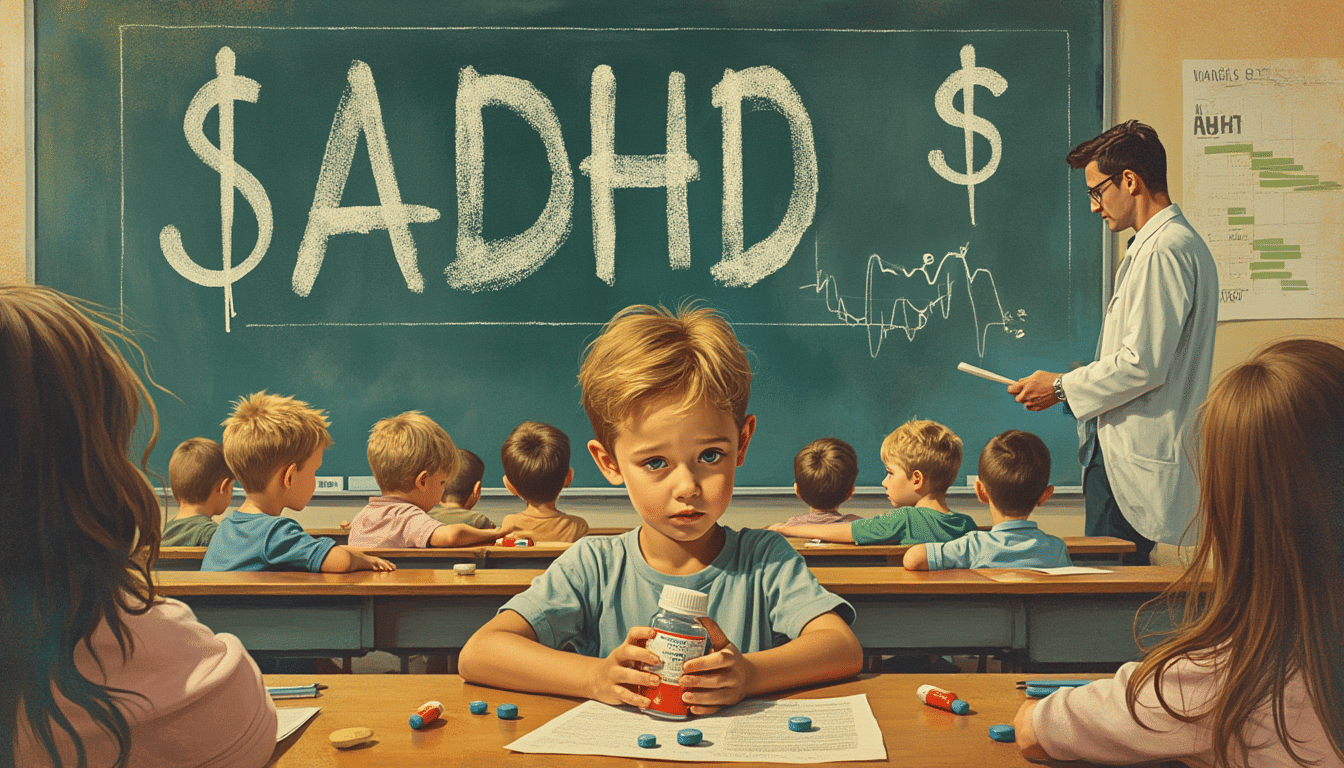
  • Is our air killing us? Unseen dangers explained

    Is our air killing us? Unseen dangers explained

    Breathing is an involuntary act that sustains life, yet the very air we depend on could be invisible poison. The notion that our atmosphere harbors unseen threats may be discomforting, but the reality of greenhouse gases makes this concern all too real. These colorless, odorless gases might evade our senses, yet their presence looms ominously. They contribute significantly to air pollution—a silent aggressor infiltrating our lives with each breath. As these gases accumulate, they form a toxic shroud over our cities and countrysides alike, posing a direct risk to both the environment and our health.

    The connection between polluted air and respiratory issues is not merely academic; it’s a lived experience for millions. You might find yourself or someone you know grappling with unexplained coughs or shortness of breath. Could air pollution be the culprit? It’s more likely than many realize. From chronic asthma to heightened risks of bronchitis and other ailments, there’s mounting evidence linking poor air quality to serious health problems. This article delves into these pressing issues—uncovering the hidden dangers that lurk in what should be the most refreshing part of each day: a deep breath.

    As you read on, consider your daily activities as potential contributors to this problem—and recognize your power in changing it. By understanding how our choices impact air quality and health, you become part of an informed community keen on action. Together, we can confront these challenges with urgency and efficiency for ourselves and future generations longing for nothing more than clean air to breathe freely.

    Understanding Greenhouse Gases

    Greenhouse gases (GHGs) are atmospheric constituents that trap heat from the sun, thereby warming the Earth. They include carbon dioxide (CO2), methane (CH4), nitrous oxide (N2O), and fluorinated gases. Each gas varies in its potency for trapping heat; for example, methane is over 25 times more effective than CO2 at trapping heat over a century-long period. These gases are crucial for maintaining planetary temperatures conducive to life, yet their excessive accumulation leads to global warming and climate change issues.

    Human activities have significantly elevated levels of these greenhouse gases beyond natural influence. The burning of fossil fuels—such as coal, oil, and natural gas—for energy and transportation is one of the primary sources emitting carbon dioxide into the atmosphere. Agriculture contributes large amounts of methane through livestock digestion and rice paddies, while nitrous oxide emissions stem from agricultural fertilizers. Industrial processes and vehicle emissions also release fluorinated gases. Every year, economic activities expand these human-induced gas emissions into the atmosphere, disrupting ecosystems both near and far.

    The increase in these greenhouse gases results in several severe environmental impacts, manifesting as part of broader climate change phenomena. This rise has led to hotter global surface temperatures, shifting weather patterns characterized by prolonged droughts or intense storms, rising sea levels due to glacial melt-offs, and ocean acidification affecting marine biodiversity. Locally, these changes translate into compromised air quality as pollutants react with sunlight to create low-lying ozone layers harmful for both ecology and human health—a concerning development expected to exacerbate unless managed appropriately through concerted effort on both community-wide and governmental scales.

    Air Quality: A Hidden Crisis

    While greenhouse gases are notorious for their role in climate change, they also significantly degrade air quality by contributing to the formation of ground-level ozone. This dangerous pollutant forms when emissions from cars, power plants, and other sources undergo chemical reactions in sunlight. Not just an environmental threat, this type of smog is a potent respiratory hazard. Furthermore, it exacerbates the concentration of particulate matter (PM), microscopic solids or liquid droplets suspended in the atmosphere that can penetrate deep into the lungs. Greenhouse gas emissions intensify these pollutants’ prevalence, escalating health risks for millions around the globe.

    The science behind particulate matter explains why these tiny particles pose severe dangers to respiratory health. Particulate matter comes in various sizes, with PM2.5 and PM10 being most critical due to their ability to be inhaled deeply into our lungs and even enter our bloodstream. Sources like vehicle emissions, industrial discharges, and forest fires release these fine particles. Once inside our system, they can trigger inflammation, leading to conditions such as asthma attacks and aggravating chronic obstructive pulmonary disease (COPD). These effects are compounded during heavy pollution events or stagnant weather conditions that trap these particles close to the ground.

    Measuring air pollution involves using indices like the Air Quality Index (AQI), which helps interpret complex data on air contaminants into understandable terms for public use. AQI considers concentrations of different pollutants—such as ozone and particulate matter—and categorizes them from good to hazardous levels based on their impact on health over short-duration exposure periods. Not only does this index inform local residents about day-to-day air quality fluctuations, allowing them to adjust their outdoor activities accordingly, but it also provides crucial data for policymakers working towards improving regional air standards. An urgent need exists for more comprehensive monitoring networks worldwide because understanding and interpreting pollution levels effectively is foundational in crafting strategies aimed at combating this hidden crisis.

    Health Implications of Poor Air Quality

    The air we breathe is laced with a variety of pollutants, which have been shown to significantly contribute to the prevalence and severity of asthma. Research has consistently demonstrated that areas with higher levels of industrial emissions and vehicular traffic see substantially increased rates of asthma, particularly among children whose developing respiratory systems are more sensitive to environmental insults. The World Health Organization has noted alarming trends in urban centers where smog and particulate matter (PM) levels frequently exceed safety thresholds, directly linking them to spikes in emergency room visits for asthma-related complications.

    Beyond asthma, air pollution plays a critical role in exacerbating a range of other respiratory diseases, such as Chronic Obstructive Pulmonary Disease (COPD) and bronchitis. Studies indicate that prolonged exposure to polluted air leads not only to the onset but also the acceleration of these conditions’ progression. For example, fine particulate matter can penetrate deep into lung tissue, causing inflammation and reducing lung function over time. This environmental burden disproportionately affects older adults who may already be dealing with diminishing pulmonary capacity due to age-related changes.

    Certain segments of the population are particularly vulnerable to poor air quality impacts. Low-income communities often bear the brunt as they tend to reside closer to industrial zones or high-traffic corridors due to socio-economic constraints—areas generally plagued by higher pollution levels. Furthermore, marginalized groups typically have less access to healthcare resources needed for managing chronic health conditions effectively. Similarly, infants and young children face greater risk because their bodies are still developing; studies suggest that early exposure can have lifelong impacts on respiratory health leading into adulthood. Thus, addressing air quality issues becomes not merely an environmental imperative but a crucial step towards social equity and public health justice.

    Pollution Levels and Respiratory Health

    Long-term studies have starkly illuminated the rising trends in respiratory health issues directly correlated with increasing pollution levels. Research conducted over several decades reveals that as pollutants like carbon monoxide, nitrogen dioxide, and particulate matter from industrial and vehicular emissions rise, so do rates of asthma and Chronic Obstructive Pulmonary Disease (COPD). For instance, a study published in the “American Journal of Respiratory and Critical Care Medicine” demonstrated a significant increase in hospital admissions for respiratory problems on days when smog levels surged. These findings underscore the intrinsic connection between air quality deterioration and the worsening of public respiratory health.

    Certain regions serve as poignant case studies illustrating severe air quality problems. Take New Delhi, India: it has consistently been ranked among the world’s most polluted cities, grappling with hazardous particulate matter levels far exceeding safe limits set by the World Health Organization. Residents experience what is described as a “gas chamber” environment during peak pollution months, leading to increased reports of chronic coughs, aggravated asthma symptoms, and other severe respiratory conditions. Similarly troubling scenarios unfold in parts of China’s industrial heartlands. Here too, air pollution has sparked health crises that ripple through communities, particularly affecting children who face long-term health consequences such as impaired lung development.

    If current trends continue unaddressed, potential future scenarios depict alarming visions where health systems may buckle under the weight of pollution-induced illnesses. Extrapolating data from existing trends suggests substantial rises in global mortality rates attributable to respiratory diseases linked to poor air quality by mid-century. Environmental scientists warn that failing to act decisively could lock us into cycles of recurring pandemics caused by compromised immune responses due to prolonged exposure to harmful air particles. Therefore, it becomes imperative for action plans tailored towards sustainable environmental practices not only benefit planetary health but are quintessential for safeguarding human life against these invisible airborne threats.

    Policy and Regulations: An Urgent Need

    Amidst rising pollution levels and deteriorating respiratory health, policies targeting emission reduction and air quality improvement have become a global necessity. Countries around the world are implementing measures such as setting stricter industrial emissions standards, promoting cleaner public transportation, and encouraging the use of renewable energy sources. For instance, New Zealand has committed to achieving 100% renewable electricity by 2035, while cities like Oslo in Norway are incentivizing electric vehicle usage with tax exemptions and charging infrastructure investments. These efforts represent significant steps toward ameliorating air quality and curbing the impact of harmful pollutants that blanket our atmosphere.

    The role of international agreements cannot be overstated when addressing environmental challenges that surpass national borders. The Paris Accord stands as a landmark agreement where nations collectively pledge to limit global warming to well below 2 degrees Celsius above pre-industrial levels. While intended outcomes from the accord show promise through initiatives like carbon trading systems and technology transfers, immediate improvements have been hampered by uneven commitment levels among participating countries. Data suggests that despite these agreements, current policies still fall short of meeting agreed-upon targets due to insufficient national action plans or lack of enforcement mechanisms.

    Policymakers must prioritize refining existing strategies to bolster their effectiveness further in combating air degradation. Essential steps include enhancing monitoring systems for better data collection and analysis of emission sources—this would help pinpoint areas requiring urgent intervention. Additionally, enacting more stringent regulations on nitrous oxide and methane emissions could mitigate their long-term damage significantly—these gases often overlooked yet highly potent contributors to climate change. Policymakers can also engage local communities in formulating tailored action plans that address specific regional issues such as urban smog or agricultural burning, thereby combining top-down governance with grassroots involvement for comprehensive solutions.

    Ultimately, a successful strategy for improving air quality relies on robust policy frameworks supported by scientific research and innovative technologies. By focusing on transparency, accountability, and cross-sectoral collaboration at both national and international levels, we can forge tangible pathways toward healthier environments worldwide. Such concerted efforts highlight not just an urgent need but also an extraordinary opportunity for transformative change—one that safeguards public health while preserving our planet’s vibrancy for future generations.

    What Individuals Can Do

    Each person can make a substantial impact on air quality and the environment by adopting everyday practices that lower their carbon footprint. Simple actions, such as reducing vehicle use, transitioning to energy-efficient appliances, and cutting down on meat consumption, can significantly decrease greenhouse gas emissions. Choosing public transport or carpooling helps reduce the number of vehicles on the road, thus lessening traffic congestion and lowering emission levels. At home, switching to LED lighting and using smart thermostats can conserve energy substantially while also saving on utility bills.

    Beyond individual efforts, community initiatives play a crucial role in fostering cleaner air environments. Local tree-planting projects not only beautify neighborhoods but also enhance air quality by absorbing carbon dioxide. Community gardens not only provide fresh produce but also engage citizens in sustainable agriculture practices. In cities like Fresno, California—a locale frequently plagued by heightened air pollution levels—community leaders are actively working with educational institutions and local businesses to install rooftop solar panels and develop urban green spaces that serve as natural air filters.

    Awareness and advocacy are essential channels for driving change at both personal and community levels. Spreading knowledge about the invisible threats posed by poor air quality encourages others to take meaningful action. Participation in grassroots campaigns or support for environmental groups amplifies these voices in political arenas where decisions about regulations affecting air quality are made. Furthermore, social media platforms have become powerful tools; they grant individuals space to share information quickly across vast networks, ultimately fostering greater accountability among policymakers. By understanding the collective power we hold when informed and united, individuals can be pivotal agents of change toward healthier living conditions for all.

    The Role of Education

    Education plays a critical role in bridging the gap between environmental awareness and public health knowledge. By educating communities about the inextricable links between the environment and our health, we empower individuals with the information they need to make informed decisions. For instance, workshops that demonstrate how air quality directly affects lung health can motivate community members to advocate for local policies aimed at reducing vehicle emissions or to support renewable energy initiatives. When people understand that their everyday choices—like using public transport instead of driving—can reduce their carbon footprint and improve respiratory health, they’re better positioned to take action.

    Incorporating environmental health into school curriculums ensures that this crucial information reaches younger audiences who will one day lead these efforts. Schools have the opportunity to integrate topics like pollution causes, effects on ecosystems, and sustainable living practices into lessons from an early age. Imagine a science class where students learn not just about photosynthesis but also how trees combat urban air pollution. Projects that involve measuring local air quality or planting trees give students hands-on experience with combating real-world issues and deepen their understanding of abstract concepts through tangible actions.

    Engaging younger generations in sustainable practices is essential for fostering a future generation ready to tackle environmental challenges with innovative solutions. Programs such as eco-clubs or sustainability competitions in schools can stimulate interest and commitment among students by providing platforms for them to propose and implement green projects within their schools or communities. Furthermore, field trips focused on observing natural habitats or clean technology operations can spark curiosity and a lifelong passion for environmental stewardship among children.

    By integrating education focused on the environment and health at both community levels and within academic institutions, we lay the foundation for a society better equipped to comprehend and confront the unseen dangers of air pollution proactively. Such educational initiatives cultivate not only knowledge but also inspire behavioral change across all age groups—a necessary step towards achieving cleaner air for present and future generations alike.

    Conclusion: Taking Collective Action

    The invisible threats posed by greenhouse gases to our health are indeed alarming. As we unravel the intricate link between polluted air and worsening respiratory conditions, it’s clear that this is an urgent issue needing immediate attention. The health implications are severe and far-reaching, affecting not only those with existing ailments but also putting vulnerable populations at heightened risk.

    Addressing these challenges requires shared responsibility among individuals, communities, and governments alike. Each of us has a role in curbing emissions and advocating for better air quality policies. Simple changes in daily habits, community-driven clean air projects, and robust governmental regulations can significantly reduce pollution levels. Let’s stay vigilant, spur advocacy efforts, and take collective action now to ensure cleaner air for present and future generations.

  • Bizarre theories that could alter your view of time travel

    Bizarre theories that could alter your view of time travel

    Did you know that some physicists believe time travel could be hiding right under our noses? Time travel is a subject that has fascinated humanity for generations, and now, we’re diving into seven bizarre theories that might just change everything you thought you knew about zipping through time. From mind-bending paradoxes to the idea that your future self is watching you right now, these concepts will stretch your imagination to its limits. Get ready to challenge your understanding of reality and explore how these outlandish ideas could redefine our perception of time.

    The Fascination with Time Travel

    Time travel captivates us because it offers a tantalizing escape from the linear constraints of our existence, opening doors to myriad possibilities. It challenges our understanding of reality and presents a playground where the past, present, and future intertwine. This fascination often reflects a deeper desire to rewrite history, correct mistakes, or even just witness pivotal moments firsthand. The allure lies in the potential to interact with a world beyond our immediate grasp, where the consequences of our actions ripple across time.

    Moreover, time travel serves as a mirror reflecting our deepest fears and hopes. It forces us to confront questions about fate, destiny, and free will. Are we mere passengers on a pre-determined journey, or do we have the power to alter our paths? As science advances and theories like quantum mechanics and relativity spark debates about the feasibility of time travel, we are drawn to explore not just the scientific implications but the ethical and philosophical dilemmas it presents. In this way, time travel becomes more than a narrative device; it is a profound exploration of humanity’s quest for meaning and mastery over the inexorable march of time.

    Einstein’s Relativity and Time Dilation

    Imagine a universe where time doesn’t tick uniformly for everyone, but rather stretches and contracts like an elastic band depending on one’s speed and gravitational field. This is the world of Einstein’s relativity, where time dilation emerges as one of its most mind-bending consequences. At its core, relativity challenges our intuitive understanding of time as an absolute, unchanging continuum. Instead, it reveals a more fluid reality where time is interwoven with the fabric of space, leading to astonishing phenomena like clocks ticking at different rates depending on their relative velocities or positions in a gravitational field.

    Consider the implications for astronauts traveling at near-light speeds: while they might experience just a few years on their journey, decades could pass on Earth. This isn’t merely theoretical; it’s a reality confirmed by experiments involving high-speed particles and precision atomic clocks flown in aircraft. Yet, beyond the scientific marvel, there’s a profound philosophical dimension—time dilation invites us to rethink our place in the cosmos and how we perceive the passage of moments. It reminds us that our experience of time is deeply personal and relative, challenging us to appreciate the intricate dance between motion, gravity, and the ever-flowing river of time.

    The Grandfather Paradox Explained

    The Grandfather Paradox emerges as a mind-bending conundrum in this realm, challenging our understanding of causality and the very fabric of time itself. At its core, the paradox poses a simple yet perplexing question: What happens if you travel back in time and prevent your grandfather from meeting your grandmother? This seemingly straightforward scenario spirals into a cascade of contradictions—if your grandfather never meets your grandmother, how could you exist to travel back in time in the first place?

    One intriguing perspective to consider is the notion of parallel universes or alternate timelines. This theory suggests that altering events in the past doesn’t erase the timeline you originate from but instead creates a divergent path—a new universe where the events unfold differently. In this context, your actions might prevent your own existence in one timeline while simultaneously allowing it to persist in another. It’s a tantalizing thought that adds layers of complexity to our understanding of time, blending science with philosophy and raising questions about destiny, free will, and the interconnectedness of life.

    Moreover, the Grandfather Paradox invites us to reflect on the fragility and interdependence of events across time. It challenges our perception of history as a fixed narrative and encourages us to see it as a tapestry woven from countless possibilities. This paradox serves as a reminder that even the smallest actions can ripple through time, potentially altering the course of history in profound ways. As we ponder these implications, we’re drawn into a deeper contemplation of our place within the universe and the potential consequences of wielding such an incredible power as time travel.

    Parallel Universes and Alternate Timelines

    Imagine a universe where every choice you’ve ever made branched off into an alternate timeline, creating an infinite tapestry of parallel existences. In these parallel universes, each decision you didn’t take plays out, leading to worlds both subtly different and wildly divergent from our own. This idea, rooted in the many-worlds interpretation of quantum mechanics, suggests that every possibility is not just theoretical but actualized somewhere in the vast multiverse. It’s a concept that challenges our understanding of reality and our place within it, inviting us to consider the boundless nature of existence.

    The allure of parallel universes lies not only in their scientific implications but also in their philosophical ones. If every potential outcome of our actions exists in some form, what does that mean for concepts like fate and free will? Are we simply traversing one path among countless others, or do we hold the power to navigate between these realities? This perspective pushes us to rethink our choices, imbuing them with a sense of profound significance while simultaneously suggesting that even missed opportunities are not truly lost—they flourish elsewhere, waiting to be discovered.

    Exploring alternate timelines opens up a realm of creative possibilities as well. Writers and filmmakers have long been fascinated by the narrative potential of “what if” scenarios—stories where historical events take a different turn or personal lives follow unexpected trajectories. These tales provide a sandbox for examining human nature, testing the limits of our imagination, and offering glimpses into worlds that feel both foreign and familiar. By embracing the concept of parallel universes, we not only expand our understanding of what reality might entail but also enrich our capacity for storytelling and empathy.

    Wormholes: Nature’s Time Tunnels?

    In the ever-expanding tapestry of the universe, wormholes stand as one of the most tantalizing threads—a hypothetical marvel that could potentially rewrite our understanding of space and time. Imagine a cosmic shortcut, where distances are no longer measured in light-years but in moments, offering a surreal passageway through the fabric of spacetime itself. These elusive phenomena, if they exist, could provide a glimpse into the very nature of reality, challenging our perceptions and inviting us to ponder what lies beyond the observable universe.

    The concept of wormholes opens up thrilling possibilities for time travel, as theorized by Einstein’s general relativity. They could serve as natural time tunnels, allowing intrepid travelers to leap across epochs with relative ease. Yet, these journeys are fraught with paradoxes and uncertainties—what happens if you alter an event in the past? Would such actions create alternate timelines or disrupt the continuum altogether? These questions remain the stuff of science fiction and theoretical debate, but they ignite the imagination and fuel our quest for knowledge.

    Wormholes also beckon us to reconsider the interconnectedness of the cosmos. If they indeed connect disparate regions of space, they might be part of a grander cosmic web, tying together galaxies, stars, and planets in ways we have yet to comprehend. This interconnectivity could suggest that the universe is not as vast and isolated as it appears but is instead a complex network of hidden pathways waiting to be discovered. As we continue to explore these theoretical constructs, wormholes remind us of the boundless potential of human curiosity and the endless mysteries that await us in the cosmic unknown.

    Quantum Mechanics and Time Entanglement

    In the realm of quantum mechanics, time entanglement emerges as a fascinating concept that challenges our traditional understanding of temporality. Unlike classical physics, where time is a linear progression from past to future, quantum mechanics suggests that particles can be intertwined across different moments in time. This phenomenon, known as time entanglement, opens up the possibility that events are not just influenced by their immediate past but also by their future states. It offers a tantalizing glimpse into a universe where the flow of time is not as rigid as once thought, potentially allowing for new forms of communication and computation that transcend conventional temporal boundaries.

    Time entanglement invites us to reconsider causality itself. If particles can be connected across time, it raises profound questions about the nature of cause and effect. Could the future influence the past in ways we have yet to comprehend? This idea provokes a radical rethinking of how we interact with the universe, suggesting that our actions might ripple through time in unexpected ways. Moreover, exploring time entanglement could unlock new technologies, enabling us to harness quantum states for tasks like unbreakable encryption or instantaneous data transfer across time frames. As we delve deeper into this quantum mystery, we stand on the brink of discovering principles that could redefine our place within the fabric of reality itself.

    The Simulation Hypothesis: Time as Code

    Imagine time not as a linear progression but as a dynamic sequence of code—an algorithm that can be paused, rewound, or even rewritten. In the simulation hypothesis, where reality is perceived as a digital construct, time becomes an intriguing variable rather than a fixed continuum. Much like a computer program, it could be that our experience of time is subject to the whims of an unseen coder, adjusting and looping sequences at will. This perspective invites us to consider the possibility that glitches in our perception—déjà vu, time dilation during moments of high stress, or the seemingly bizarre speed at which years can pass—might be echoes of alterations in the underlying code.

    If we entertain the notion of time as code, it opens up radical possibilities for understanding consciousness and free will. Are our decisions pre-scripted lines within this cosmic software, or do we possess the agency to rewrite our own paths? This framework challenges traditional notions of fate and destiny, suggesting that flexibility may exist within the confines of coded parameters. The implications stretch beyond philosophy into realms like artificial intelligence, where understanding time as code could lead to breakthroughs in creating machines that comprehend and predict temporal patterns with unprecedented accuracy. By reconceptualizing time, we not only gain new tools for understanding our universe but also inch closer to deciphering whether we are creators or mere players in this grand simulation.

    Rethinking the Concept of Time

    Time has long been perceived as a linear progression, a relentless march forward that governs our lives. However, recent philosophical and scientific explorations invite us to rethink this age-old concept. What if time is not a straight line but rather a complex tapestry of moments that can be revisited and reimagined? This perspective challenges the traditional narrative and opens up possibilities for understanding our existence in more fluid terms. By embracing the idea that past, present, and future might coexist in ways we have yet to fully comprehend, we can begin to see our experiences not as isolated events but as interconnected nodes in a vast web of reality.

    Moreover, reimagining time encourages us to question the urgency with which we approach life. In a world obsessed with productivity and efficiency, viewing time as cyclical or multi-dimensional might inspire us to slow down and appreciate the richness of each moment. It invites us to consider the quality of our experiences over the mere quantity of achievements. By shifting our focus from the linear pursuit of goals to a more holistic engagement with time, we might discover deeper satisfaction and a renewed sense of purpose. This fresh perspective on time not only reshapes our personal lives but also influences broader societal structures, offering new avenues for growth and innovation.